
Marsh ragwort
Jacobaea aquatica
Description
Growing requirements
Marsh ragwort (Jacobaea aquatica), formerly known as Senecio aquaticus, is a biennial herbaceous plant belonging to the Asteraceae family. It is typically found in wet meadows, marshes, riverbanks, and other areas where soil moisture levels are consistently high.
The plant thrives in heavy, moisture-retentive clay soils. Its ability to tolerate waterlogged conditions provides it with a competitive advantage over more palatable forage grasses in poorly drained pastures and wetland habitats.
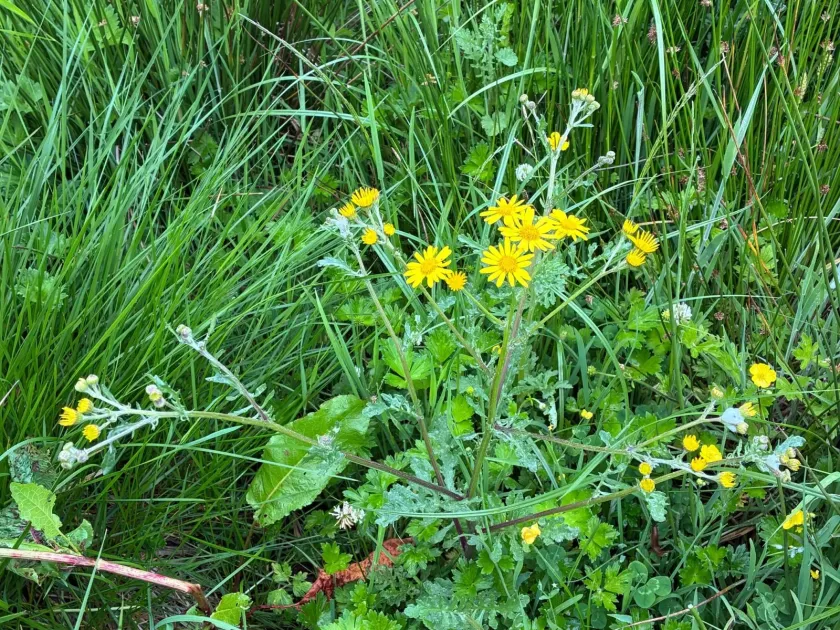
Botanically, it is identified by its erect, branched stem, which can grow up to 1.2 meters in height. The leaves are distinctively lyrate-pinnatifid, and the yellow flower heads are arranged in loose corymbs, blooming prominently during the mid-to-late summer months.
Marsh ragwort is recognized as a significant agricultural weed due to the presence of pyrrolizidine alkaloids. These compounds are highly toxic to cattle, horses, and sheep, causing severe and irreversible liver damage known as ragwort poisoning.
In modern agriculture, there is no beneficial use for this plant. On the contrary, it is considered a major nuisance in livestock farming, necessitating proactive management and eradication strategies to ensure the safety of animal feed.
Main diseases and pests
The primary threat is the ingestion of the plant by livestock. While animals typically avoid the fresh, bitter-tasting plant, they often fail to distinguish it once it has been processed into hay or silage, where the toxins remain active and stable.
Various insects, including the cinnabar moth caterpillars, are known to feed on the plant. While these biological agents can cause localized damage, they are rarely sufficient to control large infestations within agricultural landscapes.
Fungal pathogens such as rust and powdery mildew frequently infect the foliage. These diseases can stunt the plant's growth during humid seasons but do not generally eliminate the risk of seeding or toxin production.
Effective control requires improving soil drainage, as marsh ragwort is significantly less competitive in well-drained pastures. Managing the soil moisture content is often the most sustainable long-term solution for reducing populations.
Mechanical removal and the application of selective herbicides are recommended during the seedling or rosette stages. Consistent monitoring and preventing the plant from reaching the flowering stage are crucial for limiting seed bank replenishment.