
Jacobaea abrotanifolia
Jacobaea abrotanifolia
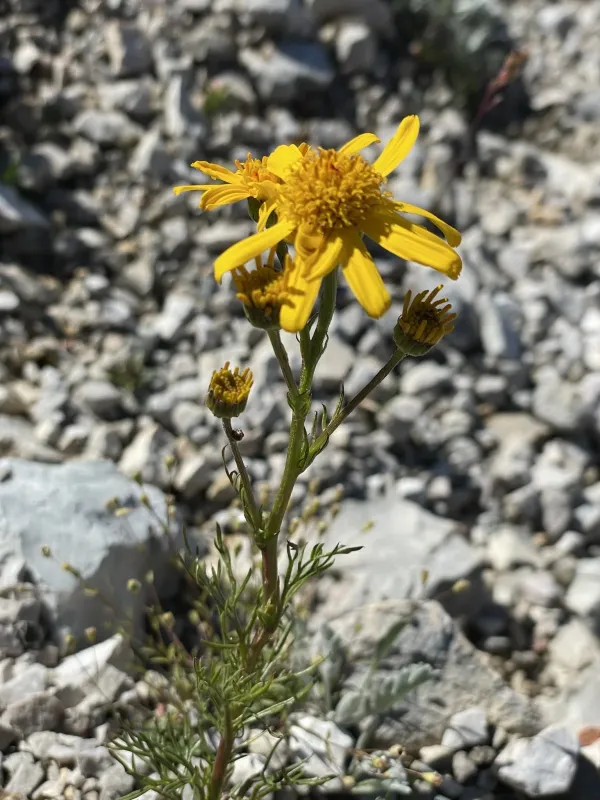
Description
Growing requirements
Jacobaea abrotanifolia is a perennial herbaceous plant belonging to the Asteraceae family. It is native to the subalpine and alpine regions, where it thrives in rocky terrain and mountainous meadows across Europe.
The plant is highly adapted to cold climates, demonstrating significant frost resistance. In terms of light requirements, it prefers sunny locations as it is a heliophilous species that needs high light intensity for optimal vegetative development and flowering.
Regarding soil conditions, this plant necessitates excellent drainage to prevent root rot. It performs best in neutral to slightly acidic, sandy, or rocky soils, which mimic its natural alpine environment and allow for adequate root aeration.
Cultivation practices involve maintaining moderate soil moisture levels without causing waterlogging. Growers should practice regular weeding, especially during the establishment phase, as the plant competes poorly with aggressive weeds in the early stages of life.
Though it has limited commercial use in large-scale agriculture, it is a prized species in horticultural collections. Its fine, feathery foliage and bright yellow composite flowers make it a desirable choice for rock gardens and alpine-themed landscapes.
Main diseases and pests
The most common disease threat is root rot caused by poor soil drainage and stagnant water. Proper site selection and soil preparation are critical preventative measures to ensure plant longevity.
Pests that typically attack this species include aphids and mites, which can damage the foliage and stunt plant growth. Integrated pest management, including monitoring and targeted insecticide application, is recommended to keep the plants healthy.