
Jacobaea boissieri
Jacobaea boissieri
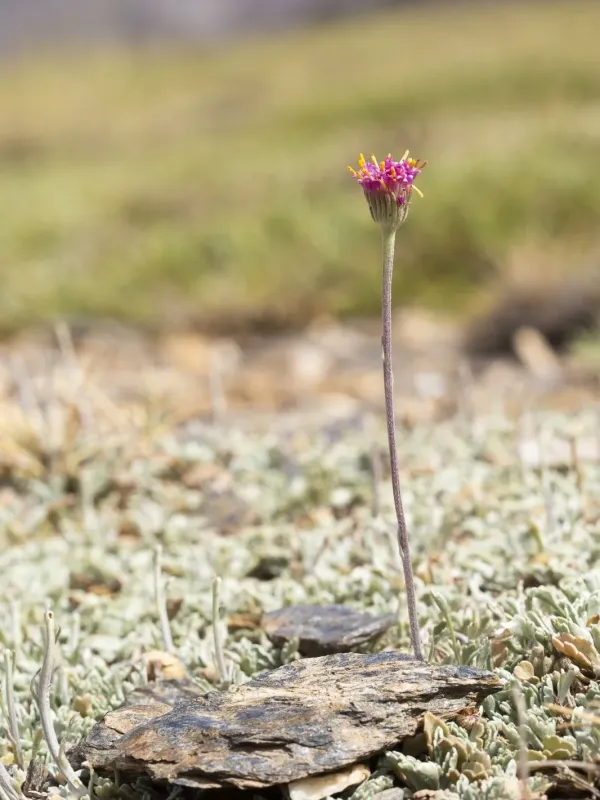
Description
Growing requirements
Jacobaea boissieri is a perennial herbaceous plant belonging to the Asteraceae family. Previously classified within the Senecio genus, it is now formally recognized as a member of the Jacobaea genus. This plant is valued for its distinct botanical structure, often featuring unique foliage characteristics and vibrant yellow capitula that are typical for the genus.
The natural distribution of this species is confined to the mountainous regions of Southwestern Europe, particularly the Iberian Peninsula. It is well-adapted to alpine and subalpine ecological niches, where it inhabits rocky slopes and meadows. These environments expose the plant to extreme thermal shifts and high levels of solar radiation, fostering its robust nature.
Cultivation success relies heavily on providing a well-draining substrate that mimics rocky alpine environments. Heavy or waterlogged soils are detrimental to the root system, often leading to rot. Gardeners are advised to incorporate mineral grit or gravel into the soil structure to ensure that excess moisture drains away quickly, keeping the crown of the plant dry.
In terms of climate and exposure, Jacobaea boissieri requires a position in full sun. It thrives in locations where it can receive maximum light intensity throughout the day. Shade should be avoided as it compromises the plant's structural integrity, causing it to become leggy and reducing the overall output of flower heads during the blooming season.
Agricultural management should focus on maintaining a lean nutritional balance. Nitrogen-heavy fertilizers are generally discouraged as they promote excessive, soft vegetative growth that is prone to disease. Instead, periodic application of low-nitrogen, mineral-based nutrients is preferred to support the plant's natural rhythm and ensure its resilience during the winter dormancy period.