
Subalpine ragwort
Jacobaea subalpina
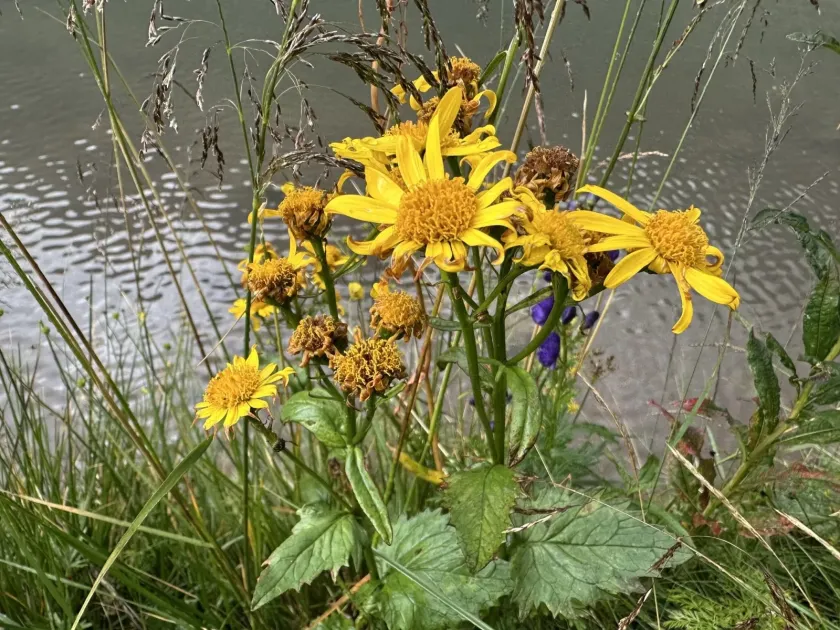
Description
Growing requirements
Subalpine ragwort (Jacobaea subalpina) is a perennial herbaceous plant belonging to the Asteraceae family. Native to mountainous regions, it is well-adapted to the specific environmental conditions of subalpine meadows and woodland edges.
Botanically, it is characterized by an erect, sturdy stem reaching heights of up to one meter. Its deeply dissected leaves and vivid yellow composite flower heads make it a recognizable species with significant biological diversity.
For cultivation, this plant requires cool, temperate climates and moist, well-drained soil. It thrives in soils rich in organic matter and prefers sites where it can receive indirect sunlight, mimicking its natural mountainous habitat.
The plant is known for its high hardiness, effectively surviving low winter temperatures. Agronomists focus on maintaining soil aeration and moisture levels to optimize vegetative growth throughout the growing season.
Its agricultural value lies in its potential use in phytotherapy and its aesthetic appeal in landscape design. Proper planting techniques, including suitable spacing, are essential for maintaining the health and vigor of the crop.
Main diseases and pests
The main pests affecting subalpine ragwort include leaf-eating caterpillars that can quickly defoliate the plant. Regular monitoring of the foliage is necessary to manage these insect populations effectively.
Fungal infections, particularly powdery mildew, are common if the plant is grown in areas with poor ventilation or high humidity levels. Maintaining space between plants is a critical preventive measure.
Root rot represents a significant risk if water management is improper. Ensuring that the soil remains moist but never waterlogged is essential for the longevity of the plant's root system.
Aphids often target the young inflorescences, causing them to deform and reducing the overall quality of the yield. Applying horticultural soaps or biological controls can mitigate this issue effectively.
Weed competition can significantly inhibit the growth of this plant in the early stages. Integrated weed management, such as mulching and manual removal, is advised to promote healthy crop development.