
Jacobaea racemosa
Jacobaea racemosa
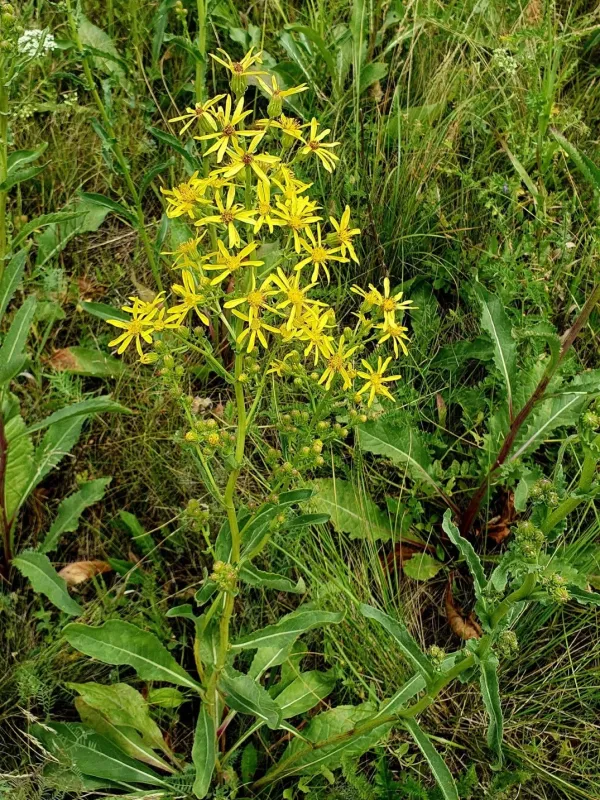
Description
Growing requirements
Jacobaea racemosa is a perennial herbaceous plant belonging to the Asteraceae family. Known for its distinct inflorescences, this plant has gained attention for its specific ecological niche and potential for agricultural development under controlled conditions.
The crop thrives in temperate climates with moderate rainfall and plenty of sunlight. It requires well-drained, nutrient-rich soils to maximize vegetative growth. Soil aeration plays a crucial role in preventing root suffocation, especially in clay-heavy environments.
In terms of agricultural management, maintaining stable moisture levels during the germination and early growth phases is essential. The plant exhibits high resilience once established, capable of enduring varied environmental conditions while maintaining its vigor.
Planting density should be carefully calculated to ensure adequate spacing, which facilitates air circulation and prevents disease outbreaks. Proper nutrient supply, particularly balanced fertilization, supports the formation of robust racemes and healthy leaves.
Botanically, the species is identified by its upright stem structure and vibrant, yellow-flowered racemes. Its physiological traits allow it to optimize light capture, making it a highly adaptable species within its natural distribution range.
Main diseases and pests
Fungal infections, primarily powdery mildew, represent a significant threat to Jacobaea racemosa crops. High humidity and poor airflow are the most common factors contributing to the rapid spread of these pathogens across a plantation.
Insects like aphids and spider mites can severely impact foliage quality. These pests feed on sap, which weakens the plant and decreases its overall biomass, requiring integrated pest management strategies to keep populations under control.
Root rot is another major risk factor associated with poor soil drainage. If the substrate remains saturated for too long, the root system begins to decay, often leading to irreversible plant loss before symptoms become apparent on the surface.
Effective weed competition management is necessary during the initial stages of the crop cycle. Without adequate weeding, the plant struggles to gain sufficient resources to compete with faster-growing invasive grasses.
Proactive monitoring and the implementation of clean agricultural practices significantly mitigate these risks. Maintaining a balanced ecosystem within the fields helps in naturally limiting the damage caused by common pests.