
Jacobaea pseudoarnica
Jacobaea pseudoarnica
Description
Sowing dates
Propagation of Jacobaea pseudoarnica naturally occurs through seed dispersal. Seeds require cold stratification during winter to overcome dormancy, making autumn sowing the most effective method for successful germination.
When sowing in a controlled environment, it is essential to use a loose, sandy substrate. Seeds should be buried shallowly, no deeper than 0.5 centimeters, to allow sufficient light exposure for the seedlings to emerge properly.
Maintaining a consistent, light moisture level is crucial during the initial germination phase. Once seedlings develop two or three pairs of true leaves, the watering frequency should be reduced to mimic natural dry-dune conditions.
Transplanting seedlings requires extreme care due to the sensitive nature of the root system. It is best to utilize biodegradable pots to ensure that the roots remain undisturbed when moving the plants to their final location.
Early spring growth is usually slow as the plant prioritizes developing its root structure. Providing sufficient space between plants during the sowing process prevents competition and ensures uniform development of the foliage.
Growing requirements
Jacobaea pseudoarnica, a member of the Asteraceae family, is a specialized halophyte typically found in coastal sand dune habitats. It is uniquely adapted to thrive in nutrient-poor, sandy soils exposed to salt spray and high winds.
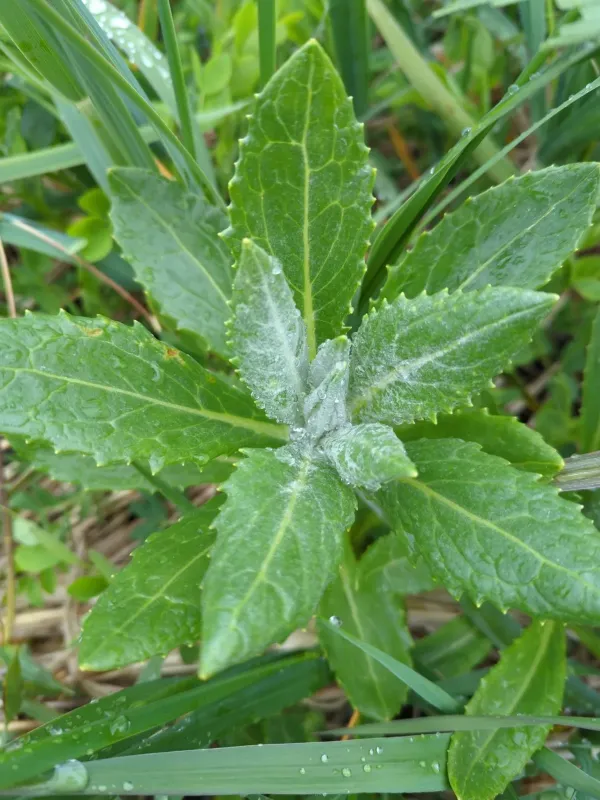
Sunlight is the primary requirement for this species. The plant's characteristic woolly, greyish foliage is a defensive adaptation against high solar radiation, which helps it maintain water balance in harsh seaside environments.
Well-draining soil is non-negotiable for this species. The plant will suffer from root rot almost immediately if subjected to heavy, waterlogged clay soils, so gravel or sand-based substrates are highly recommended.
Climate preferences include temperate maritime conditions. The plant is well-suited for coastal regions but struggles in hot, dry, inland climates where the air humidity is low and the temperature fluctuations are extreme.
Proper airflow is essential for the healthy development of this plant. It is best suited for open sites where it can experience natural breezes, which helps to keep the foliage dry and prevents fungal growth.
Main diseases and pests
The primary threats to Jacobaea pseudoarnica in cultivation are related to improper drainage. Overwatering or lack of aeration in the soil commonly leads to root decay and the death of the specimen within a short period.
Fungal diseases, such as mildews, may occur if the plant is grown in overcrowded or stagnant conditions. Maintaining adequate space between plants allows for natural ventilation, which is the best way to prevent such issues.
Insect pests are generally rare due to the plant's robust and bitter chemical profile. However, in specific cases, aphids might target the soft buds, which can be managed with gentle mechanical removal or biological control.
Avoid heavy use of synthetic fertilizers. Excessive nutrient input can lead to lush, weak growth that becomes more susceptible to environmental stress and opportunistic pathogens than plants grown in native-like conditions.
Regular monitoring of the base of the stem is recommended. Signs of discoloration or wilting should be addressed immediately by adjusting the irrigation schedule and ensuring the soil surface remains dry.