
Jacobaea persoonii
Jacobaea persoonii
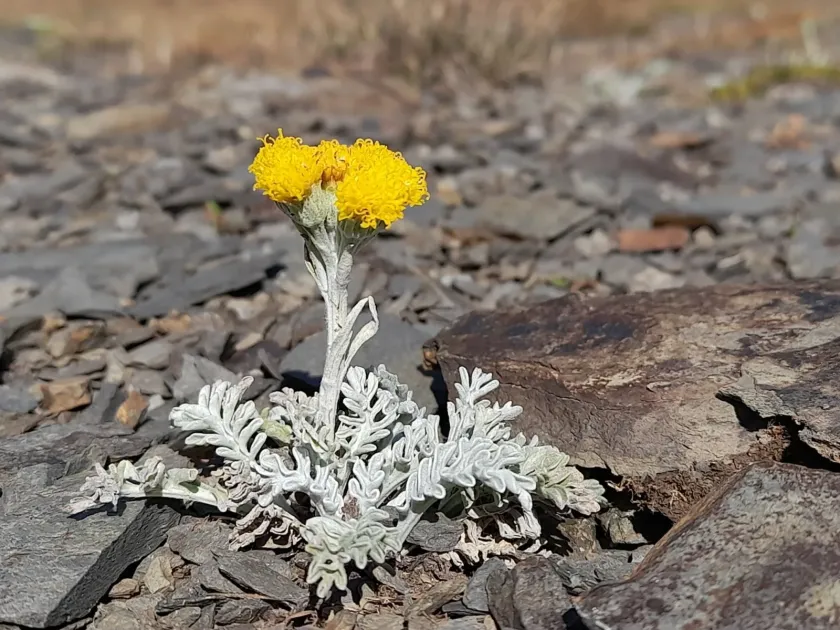
Description
Sowing dates
Jacobaea persoonii is a perennial herbaceous plant belonging to the Asteraceae family. In agricultural or horticultural settings, the sowing process typically involves cold stratification to break seed dormancy, mimicking the natural climatic cycle of its high-altitude origin.
Seeds should be sown in a well-draining, sandy-loam substrate. Since the seeds require light for germination, they must be sown on the surface and covered only very lightly with vermiculite or fine sand to prevent them from drying out while ensuring exposure to light.
Optimal germination occurs at temperatures between 15°C and 18°C. Consistent moisture is critical during the initial weeks, but the seedbed must never become waterlogged, as this is the primary cause of seedling failure due to damp-off diseases.
Once the seedlings develop two sets of true leaves, they should be pricked out and transplanted into individual pots. This step allows for better root development and ensures the plants are robust enough before being transferred to the field or permanent growing location.
Acclimatization of the plants before final transplanting is essential. Gradually introducing them to outdoor conditions over a week helps to harden the tissues and reduces transplant shock, ensuring higher survival rates in the field environment.
Growing requirements
Jacobaea persoonii thrives in environments that replicate its natural alpine habitat. It requires full sun exposure for the majority of the day to maintain its compact growth form and to stimulate healthy floral development.
The soil must be characterized by excellent drainage. In heavy clay soils, amendments such as perlite, grit, or organic matter are necessary to prevent the root system from standing in water, which is a major limiting factor for this species.
The species prefers neutral to slightly acidic pH levels. It is highly cold-hardy, showing resilience to low temperatures; however, it requires protection from excessive moisture during the winter dormant season to prevent rot.
Irrigation should be managed with caution. The soil should be allowed to dry out slightly between watering sessions. Excessive water during the summer months can lead to rapid fungal infections and the subsequent collapse of the foliage.
Spacing is a vital aspect of management. Providing adequate distance between plants ensures sufficient airflow, which is essential for reducing the humidity levels around the foliage and preventing common fungal diseases.
Main diseases and pests
Root rot remains the most significant threat to the health of Jacobaea persoonii. It is usually caused by heavy, compacted soil or over-irrigation, leading to the rapid decay of the crown and root tissues.
Pests such as aphids and spider mites can infest the plant, particularly in sheltered or poorly ventilated areas. These pests feed on the nutrient-rich sap of young leaves, weakening the plant and potentially spreading viral infections.
Powdery mildew can become an issue during periods of high humidity and warm temperatures. If left untreated, the white fungal layer can cover the foliage, inhibiting photosynthesis and significantly reducing the plant's overall vitality.
Cultural management is the primary defense strategy against these threats. Proper soil drainage, correct spacing, and avoiding overhead irrigation significantly lower the risk of infection and pest infestations.
Regular monitoring of the growing area allows for early detection of potential outbreaks. Removing and destroying affected plant material can prevent the spread of diseases and pests throughout the crop population.