
Fen ragwort
Jacobaea paludosa
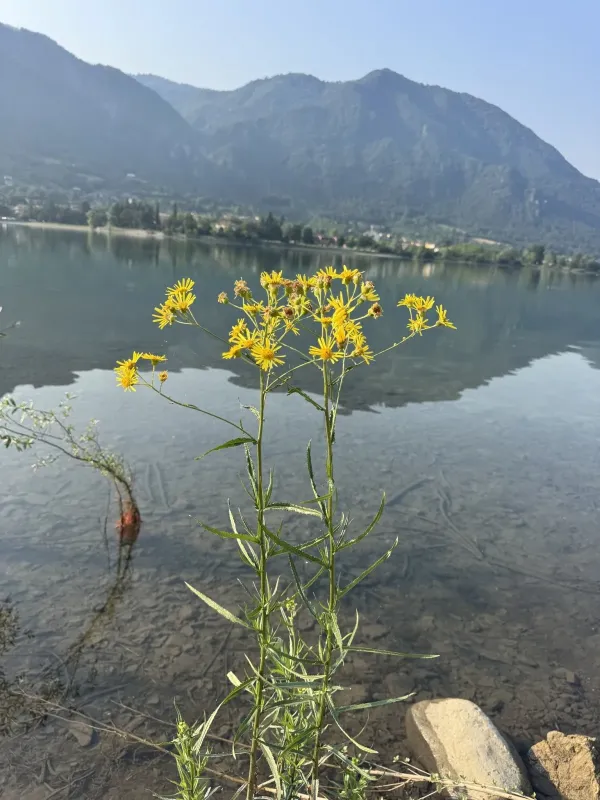
Description
Growing requirements
Fen ragwort (Jacobaea paludosa) is a perennial herbaceous plant belonging to the Asteraceae family. It is primarily identified as a wetland-adapted species, flourishing in moist and boggy environments throughout temperate Eurasia.
Geographically, the plant is native to wetlands, riverbanks, and marshy meadows. It thrives in soils that remain consistently saturated, making it a critical component of healthy riparian zones and peat-rich ecosystems.
Botanically, it features a robust, upright stem that can reach 150 cm in height, adorned with numerous serrated lanceolate leaves. The plant produces vibrant yellow flower heads arranged in dense corymbs, which are a characteristic trait of the genus.
The cultivation requirements are centered on soil moisture and organic matter content. Fen ragwort demands a constant water supply and fertile, often anaerobic soil conditions, which provide the necessary nutrients for its rapid development.
In terms of ecological resilience, the plant is highly adapted to flooding and high water tables. Its winter hardiness is excellent, ensuring it can survive seasonal fluctuations in temperature and water level within its native distribution range.
Main diseases and pests
Fen ragwort is susceptible to various fungal pathogens that thrive in high-humidity environments. Powdery mildew and leaf rust are the most frequent issues, particularly when air circulation around the plants is restricted.
Regarding insect pests, the plant is occasionally attacked by specialized lepidopteran larvae. These insects feed on the foliage, and while they rarely destroy the plant, they can reduce its photosynthetic capacity and overall vigor.
Soil-borne pests, such as wireworms, can damage the root system if the soil dries out enough to become aerated. However, the plant's chemical composition, rich in alkaloids, generally deters most grazing herbivores in natural settings.
To mitigate the threat of diseases, adequate spacing is essential in any planting scheme. This practice minimizes the risk of rapid fungal spread and ensures the plants remain healthy throughout the growing season.
Integrated pest management strategies should focus on biological control rather than chemical interventions. Maintaining a diverse environment helps keep the populations of potential pests under control without disrupting the delicate wetland ecosystem.