
Jacobaea othonnae
Jacobaea othonnae
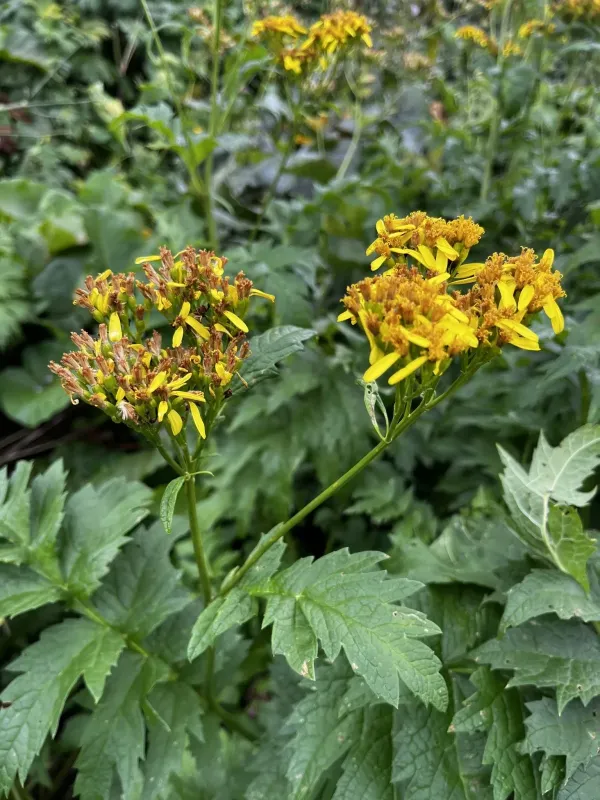
Description
Sowing dates
Sowing Jacobaea othonnae seeds is typically performed in early spring. It is recommended to use a lightweight, well-draining substrate to facilitate the emergence of delicate seedlings and ensure healthy initial root development.
The seeds should be sown shallowly, as they require light to germinate effectively. A thin covering of fine soil or vermiculite is sufficient to keep the seeds in place without burying them too deep to prevent stagnation.
Consistent moisture levels must be maintained during the germination period. Using a humidity dome or covering the trays with clear plastic helps stabilize the internal environment and prevents the growing medium from drying out prematurely.
Once the seedlings reach the stage of having two true leaves, they should be transplanted to individual containers or a prepared nursery bed. Proper spacing is essential to ensure that each plant receives adequate light and air circulation.
Hardening off is a critical stage before transplanting into the open field. Gradually exposing the plants to outdoor conditions over a week allows them to adapt to temperature fluctuations and sunlight intensity.
Growing requirements
Jacobaea othonnae belongs to the Asteraceae family and thrives in conditions that mimic its native habitat. It requires a sunny location where it can receive at least six hours of direct sunlight per day for optimal growth and flowering.
Soil quality is paramount for this species. It prefers sandy or loamy soils that possess excellent drainage capabilities, as the plant is sensitive to waterlogging and can easily suffer from root rot in stagnant moisture.
Regarding water requirements, the plant is moderately drought-tolerant once established. However, regular watering during the peak growing season encourages lush foliage and more abundant blooms throughout the cycle.
Climatic adaptability is a significant factor in growing this crop. It performs best in temperate zones; however, in regions with harsh winters, it is often treated as a container plant or an annual to prevent frost damage.
Balanced fertilization can enhance the growth performance of Jacobaea othonnae. A general-purpose slow-release fertilizer applied during the early vegetative phase provides the necessary nutrients for sustained plant health.
Main diseases and pests
Aphids and spider mites are the most common pests affecting this plant. These insects thrive in dry, warm environments and can cause visible damage by sap-sucking, leading to leaf curling and reduced plant vigor.
Powdery mildew represents the most significant fungal threat, characterized by white spots on the leaves. It usually develops when the plant is kept in areas with poor airflow and high levels of atmospheric humidity.
Root rot is often the result of improper irrigation practices or soil that lacks sufficient drainage. If root rot is suspected, it is critical to reduce watering immediately and improve soil aeration around the root zone.
Integrated pest management, including the use of neem oil or insecticidal soaps, is effective in controlling early outbreaks of pests. Maintaining plant hygiene by removing debris helps reduce the habitat for many potential pathogens.
For more severe cases of infestation, professional-grade fungicides and insecticides may be required. Always ensure that the applications are timed correctly according to the plant's growth stage and weather conditions.