
Jacobaea graciliflora
Jacobaea graciliflora
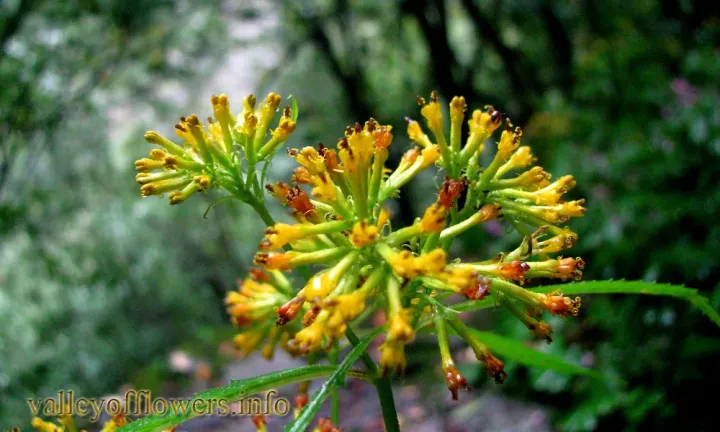
Description
Growing requirements
Jacobaea graciliflora is a perennial herbaceous plant belonging to the Asteraceae family. Its natural origin is primarily linked to the mountainous regions of Asia, where it has evolved to thrive in specific subalpine conditions characterized by unique soil compositions.
The plant exhibits high ecological plasticity, making it resilient to fluctuating temperature patterns. From an agronomical perspective, this species is noted for its early spring development, which allows it to capitalize on seasonal moisture before the peak of summer heat.
Regarding soil requirements, Jacobaea graciliflora performs best in well-drained, nutrient-rich soils. It is particularly sensitive to waterlogging, which necessitates careful site selection and the installation of drainage systems if the terrain is prone to moisture accumulation.
Cultural practices involve minimal intervention once the plant is established. However, initial soil preparation is crucial, including the incorporation of organic matter to mimic the fertile meadow conditions of its natural habitat, promoting healthy root expansion.
Maintenance of the crop includes periodic weeding during the early stages of establishment. Given its biological characteristics, the plant is relatively low-maintenance in comparison to traditional forage crops, providing a sustainable option for specialized agricultural production.