
Hoary ragwort
Jacobaea erucifolia
Description
Growing requirements
Hoary ragwort (Jacobaea erucifolia) is a perennial herbaceous plant belonging to the Asteraceae family. It is typically found in meadows, grassland, and disturbed habitats across Europe and parts of Western Asia.
The plant thrives in well-drained, nutrient-rich soils and prefers open, sunny conditions. It is known for its deep root system, which allows it to persist through seasonal droughts and establish itself firmly in varied soil textures.
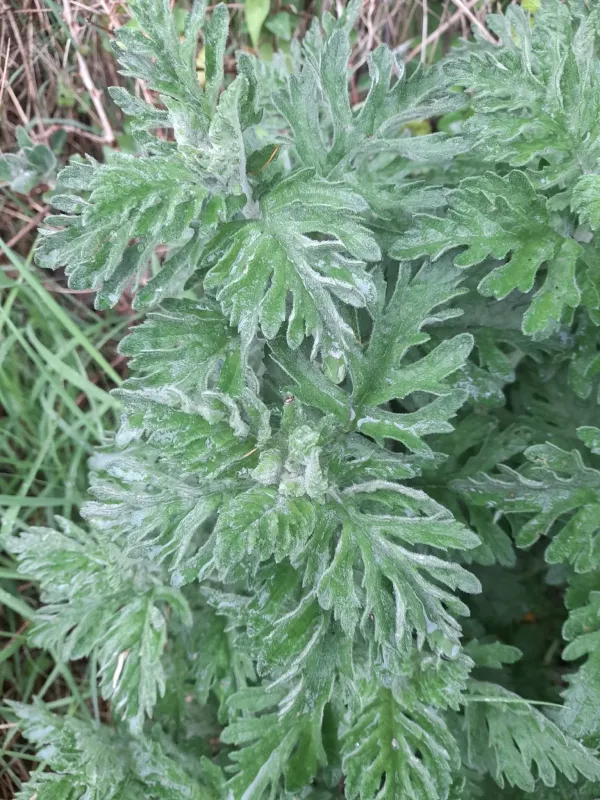
Botanically, it is recognized by its tall, upright stems covered in deeply divided, grayish-green leaves. It produces dense clusters of bright yellow flower heads that attract a wide variety of pollinators, making it an ecological asset in wildflower zones.
Agricultural interest in Jacobaea erucifolia focuses on its potential as a honey plant and its role in biodiversity restoration. However, it requires careful spatial management due to its persistent nature and ability to spread via underground rhizomes.
Soil requirements are generally flexible, though the plant shows a preference for base-rich soils. Proper crop management involves selecting areas where the plant's spread can be monitored to avoid competition with primary fodder grasses.
Main diseases and pests
While relatively robust, the plant is susceptible to various fungal pathogens, specifically rust diseases (Puccinia species) which can affect the leaves and stems under prolonged humid conditions.
Insect pests such as ragwort-specialist flea beetles or aphids may infest populations during the vegetative stage. While these insects rarely kill the plant, they can reduce overall plant vigor and seed yield.
The primary threat from an agricultural perspective is the toxicity of the plant. Like many related species, it contains pyrrolizidine alkaloids that can cause liver damage if consumed in significant quantities by livestock.
Control methods in pasture lands involve mechanical removal or cutting before the plant sets seeds. This practice is essential to prevent the accumulation of toxins in hay and to limit the expansion of the colony.
Integrated pest management strategies for this species prioritize preventative soil management and the maintenance of a dense, competitive sward to naturally suppress the emergence of new seedlings.