
Jacobaea erratica
Jacobaea erratica
Description
Growing requirements
Jacobaea erratica, commonly known as a type of ragwort, is a perennial herbaceous plant belonging to the Asteraceae family. It is typically found in moist environments, including floodplains, wet meadows, and marshy grasslands throughout Europe.
The plant thrives in nutrient-rich, heavy soils such as loam or alluvial deposits. Its biological success is highly dependent on high soil moisture levels, as it is classified as a hygrophilous species that prefers damp, poorly drained areas.
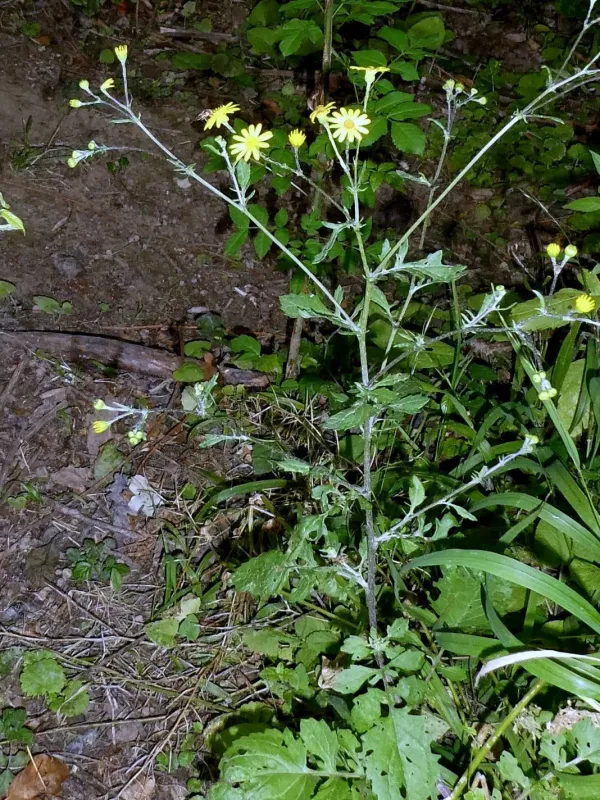
Botanically, it features a distinct, branched stem and a basal rosette of leaves. The inflorescence consists of yellow, daisy-like flower heads, which are adapted for pollination by various insects, ensuring consistent seed production during the summer months.
In terms of agricultural management, Jacobaea erratica is often treated as a weed or an undesirable component of hay crops. Because of its ecological niche, it is rarely cultivated intentionally, but it plays a significant role in maintaining the botanical diversity of wetlands.
Understanding its growth requirements helps land managers implement effective control strategies. By identifying suitable habitats, agronomists can prioritize areas for weeding to prevent the spread of this species into high-quality agricultural zones.
Main diseases and pests
The plant is susceptible to various fungal pathogens, including rust fungi and powdery mildew, which thrive in the same humid conditions that favor the plant's growth, potentially damaging the leaf surface.
Invertebrate pests, particularly aphids and larvae of specific moth species, frequently feed on the foliage, which can cause significant stress to the plant and limit its vegetative development throughout the season.
From an agricultural standpoint, the primary threat posed by this plant is its toxicity to livestock. The presence of pyrrolizidine alkaloids makes the plant dangerous if consumed in hay, necessitating strict management protocols on grazing lands.
Effective control strategies focus on mechanical eradication, specifically mowing or uprooting the plants before they reach the flowering stage, thus preventing the dispersal of seeds into the surrounding pasture.
Soil drainage improvement remains one of the most effective long-term solutions, as it alters the hydrologic properties of the field, making the site less suitable for the propagation of Jacobaea erratica.