
Iron Cross Begonia
Begonia masoniana Irmsch.
Description
Growing requirements
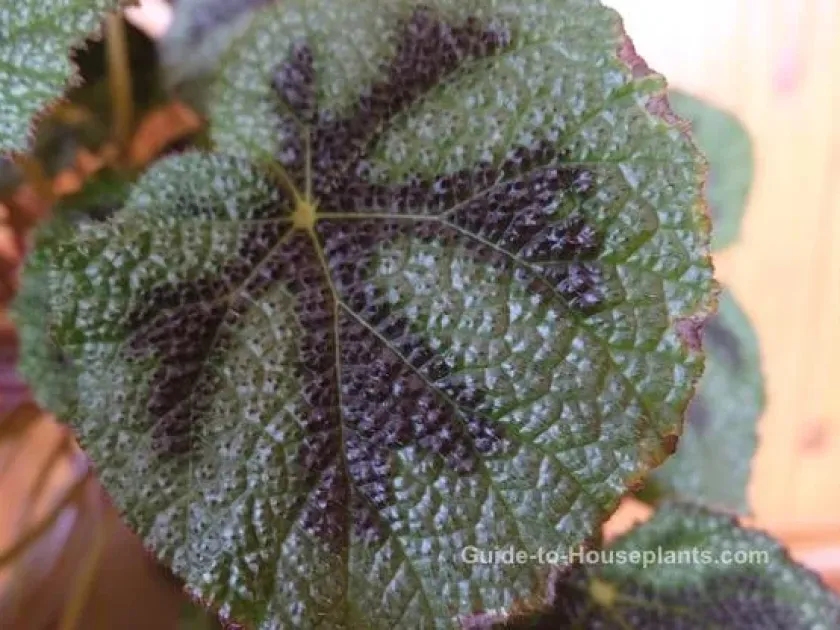
Iron Cross Begonia (Begonia masoniana Irmsch.) is a distinctive species within the Begoniaceae family, celebrated for its puckered, bright green foliage featuring a dark, cross-shaped pattern. This ornamental plant is highly regarded in horticulture for its sculptural appearance.
Originating from the tropical regions of Southeast Asia, this species thrives in humid, shaded forest understories. Its botanical adaptation requires growers to mimic these specific conditions to ensure healthy leaf production and vibrant coloration.
Environmental conditions must be kept consistent, with ideal temperatures ranging between 18°C and 25°C. The plant is sensitive to cold drafts and sudden temperature fluctuations, which often lead to premature leaf drop and physiological stress.
Soil requirements involve a well-draining, nutrient-rich substrate with a slightly acidic pH. Peat-based mixes supplemented with perlite or pumice are recommended to provide the necessary aeration for the sensitive root system.
High humidity is essential for the plant's vitality, ideally maintained at 60% or higher. While humidity is crucial, wet foliage should be avoided to prevent fungal issues, as water trapped in the deeply textured leaves can encourage pathogens.
Main diseases and pests
The primary threats to the health of the Iron Cross Begonia are fungal diseases such as powdery mildew and grey mold. These pathogens typically flourish when there is poor air circulation combined with high environmental humidity.
Insect pests that commonly infest this begonia include spider mites and mealybugs. These pests are particularly problematic in indoor environments where the air is excessively dry, as they quickly colonize the undersides of leaves.
Root rot remains the most common issue resulting from improper watering techniques. Keeping the soil consistently waterlogged without allowing for a drying cycle leads to the decay of the fine root hairs and eventual plant decline.
Preventive maintenance involves regular inspections for signs of webbing or discoloration. Maintaining good sanitary practices, such as removing debris from the soil surface, significantly reduces the likelihood of pest outbreaks.
Chemical control should be used as a last resort, opting for products specifically formulated for greenhouse or ornamental plants. It is important to treat the plant at the first sign of infestation to ensure the recovery of the foliage.