
Wax begonia
Begonia Semperflorens-Cultorum Group x Begonia obliqua
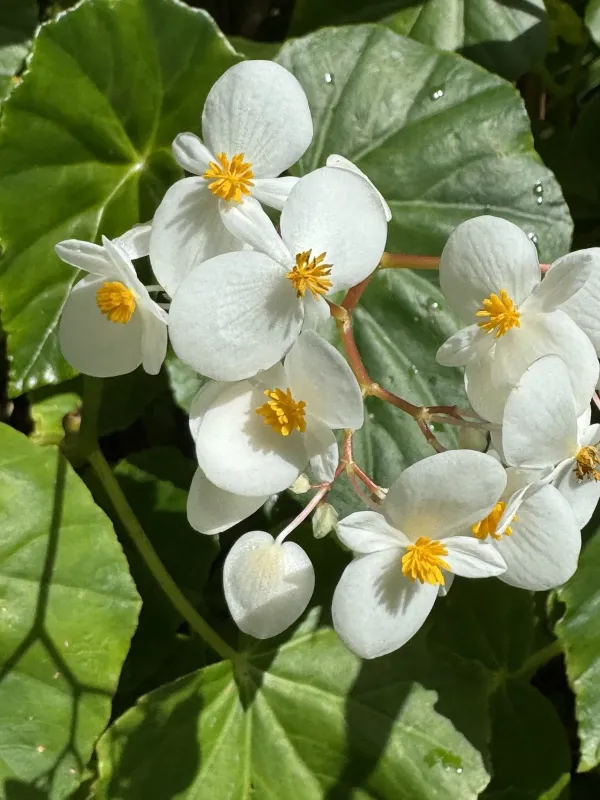
Description
Sowing dates
Wax begonia seeds are extremely small and require specific conditions for successful germination. Sowing is usually performed indoors in early winter, spreading the seeds onto the surface of a moist, fine-textured seed-starting mix without covering them, as they require light to germinate.
Maintaining a constant temperature between 22 and 25 degrees Celsius is crucial. The seed tray must be covered with plastic or glass to keep humidity levels high, ensuring the delicate seeds do not dry out before they develop a root system.
Transplanting (pricking out) seedlings into individual cells or small pots should occur once the plants have developed two or three true leaves. Using a well-draining, nutrient-rich substrate is essential at this stage to prevent the development of damping-off diseases.
A hardening-off period of at least two weeks is necessary before moving the young plants to their outdoor location. Gradually exposing them to outdoor air temperatures and direct sunlight prepares them for the transition and reduces transplant shock.
Transplanting into the garden should only take place once all danger of frost has passed and night temperatures are consistently above 12 degrees Celsius. Cold soil significantly hinders growth and may cause the plants to stagnate for the rest of the season.
Growing requirements
Wax begonias thrive in full sun to partial shade, depending on the climate. In very hot regions, providing light afternoon shade prevents leaf scorch and helps the plants retain their vibrant flower color throughout the summer months.
The ideal soil for this species is fertile, porous, and well-draining. Waterlogged soil is the primary cause of plant failure, leading to root rot. If the soil is heavy, incorporating compost or perlite can significantly improve aeration and drainage.
A soil pH between 5.5 and 6.5 is preferred. If the pH is too high, the plants may suffer from micronutrient deficiencies, particularly iron deficiency, which causes leaves to turn yellow while the veins remain green, a condition known as interveinal chlorosis.
Consistent moisture is important for wax begonias, but the surface of the soil should be allowed to dry slightly between waterings. Overhead irrigation should be minimized to prevent fungal growth on the leaves and flowers, favoring drip irrigation or base-watering.
Regular fertilization is required to maintain continuous blooming. A balanced liquid fertilizer applied every two weeks throughout the growing season supports healthy vegetative growth and encourages the development of new flower buds.
Main diseases and pests
Powdery mildew is a frequent issue, especially in environments with poor air circulation. It manifests as a white, powdery fungal growth on the surface of leaves and stems. Fungicidal treatments and thinning out dense foliage are the best management strategies.
Botrytis blight (gray mold) often occurs in humid conditions, causing dead, fuzzy-looking areas on leaves and flowers. Removing affected plant parts and ensuring adequate spacing between plants are key to limiting the spread of this disease.
Spider mites are common pests that thrive in dry, hot conditions. They cause stippling and yellowing of the foliage. Regular monitoring and, if necessary, the application of targeted miticides or insecticidal soaps can keep populations under control.
Aphids can cause significant damage to young shoots and leaves. They extract sap, leading to stunted plant growth and leaf distortion. Horticultural oils or systemic insecticides are highly effective for managing aphid infestations in residential and commercial gardens.
- Root rot caused by Phytophthora or Pythium species.
- Whiteflies that produce honeydew and attract sooty mold.
- Nematodes that attack root tissues and cause reduced vigor.