
Beefsteak begonia
Begonia x erythrophylla Neumann
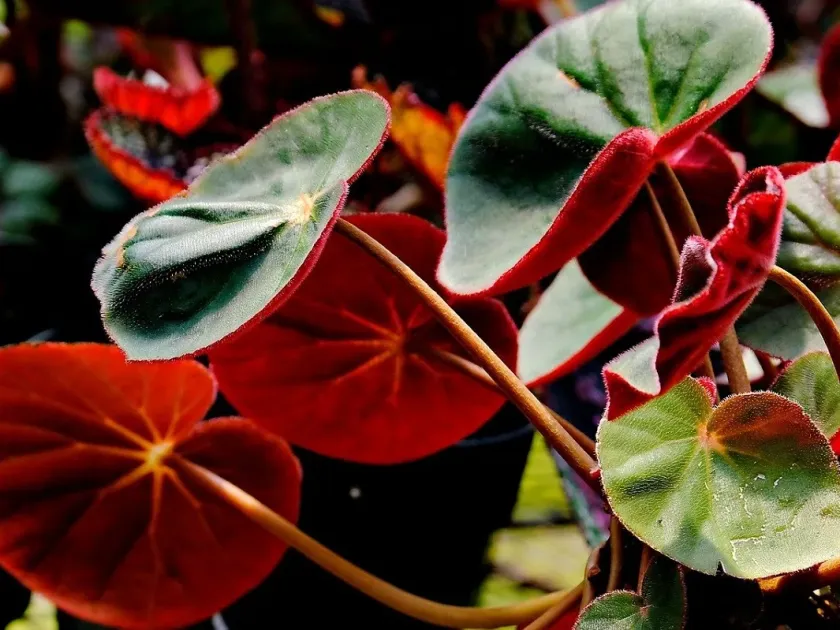
Description
Growing requirements
The Beefsteak begonia (Begonia x erythrophylla) is a classic hybrid belonging to the Begoniaceae family. It is a rhizomatous perennial notable for its thick, creeping stems and large, peltate leaves that are glossy dark green on top and vibrant reddish-purple on the underside, creating a striking contrast.
Originating from hybrid breeding, this plant is well-adapted to indoor environments. It thrives best in bright, indirect light. Direct sunlight can easily scorch the leaves, while insufficient light will lead to spindly growth and loss of the characteristic deep coloration of the foliage.
The plant prefers a well-draining, peat-based potting mix that retains moisture without becoming waterlogged. High-quality potting media with neutral to slightly acidic pH is ideal for promoting healthy rhizome development and vigorous leaf growth throughout the year.
Temperature requirements are moderate, with an ideal range of 18°C to 22°C. It is important to avoid cold drafts, especially during the winter months, as the plant is sensitive to thermal shock which can result in leaf drop or crown rot.
Watering should be done carefully; the soil surface should be allowed to dry slightly between waterings. Because the rhizomes are fleshy, they are prone to decay if kept in constantly saturated conditions, making proper drainage essential for successful long-term cultivation.
Main diseases and pests
Spider mites are common pests that infest the Beefsteak begonia, especially in low-humidity environments. They cause stippling on the leaves and can create fine webbing, which significantly degrades the aesthetic appeal and health of the plant.
Powdery mildew is a prevalent fungal issue caused by poor air circulation and excessive humidity. It appears as a dusty white coating on the leaves and stems, requiring immediate treatment with appropriate fungicides and improved ventilation.
Botrytis, or grey mold, is a serious threat during cool and damp periods. It manifests as soft, decaying spots on the foliage. Removing affected leaves and reducing the humidity level are critical steps in managing this infection.
Root rot is often the result of overwatering or using heavy, non-porous soil. Once the rhizome starts to rot, it is difficult to salvage the plant, emphasizing the need for a preventive approach to watering and pot selection.
Maintaining cleanliness in the growing area is essential. Regularly wiping leaves with a damp cloth helps prevent pest buildup and allows for early detection of potential disease outbreaks, ensuring the plant remains robust and decorative.