
Begonia kingiana
Begonia kingiana Irmsch.
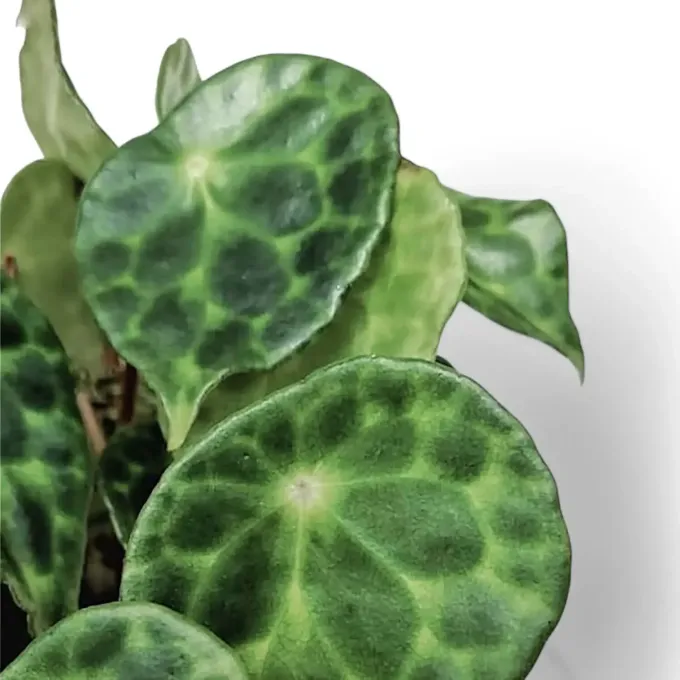
Description
Growing requirements
Begonia kingiana is an ornamental species belonging to the diverse Begoniaceae family. Originating from the tropical regions of Southeast Asia, this plant thrives in the understory of dense forests where humidity is consistently high and light is filtered by the canopy.
The cultural requirements for this species are strict, demanding a high-humidity environment with relative moisture levels typically exceeding 70 percent. It is highly susceptible to desiccation in low-humidity residential or standard greenhouse environments.
The substrate must provide high permeability and aeration, as the roots are prone to suffocation. A professional growing medium usually consists of a well-balanced mixture of peat moss, perlite, and organic bark, providing the necessary acidity and structural integrity.
Watering protocols must be precise, focusing on maintaining constant substrate moisture without allowing the roots to remain saturated. Overwatering is the most common cause of failure when cultivating this specific Begonia variety in controlled environments.
In terms of economic use, Begonia kingiana is highly valued within the specialty nursery trade. It serves as a flagship specimen for tropical plant collectors and is frequently utilized in professional terrarium displays and conservatory designs.
Main diseases and pests
Common phytopathological threats include bacterial leaf spots and fungal pathogens such as Botrytis, which manifest during periods of poor air circulation and high stagnant moisture.
Pest management is focused on controlling populations of spider mites and scale insects, which are known to thrive in indoor settings where natural predators are absent.
Effective management strategies involve a combination of cultural practices, such as maintaining proper spacing, and the judicious application of targeted miticides or insecticidal soaps.
Integrated Pest Management (IPM) practices are recommended to reduce reliance on broad-spectrum chemicals, ensuring the long-term health and vigor of the Begonia collections.
Routine monitoring of the foliage underside is essential for the early detection of localized infestations, allowing for rapid intervention before the spread becomes systemic.