
Sikkim begonia
Begonia sikkimensis A. DC.
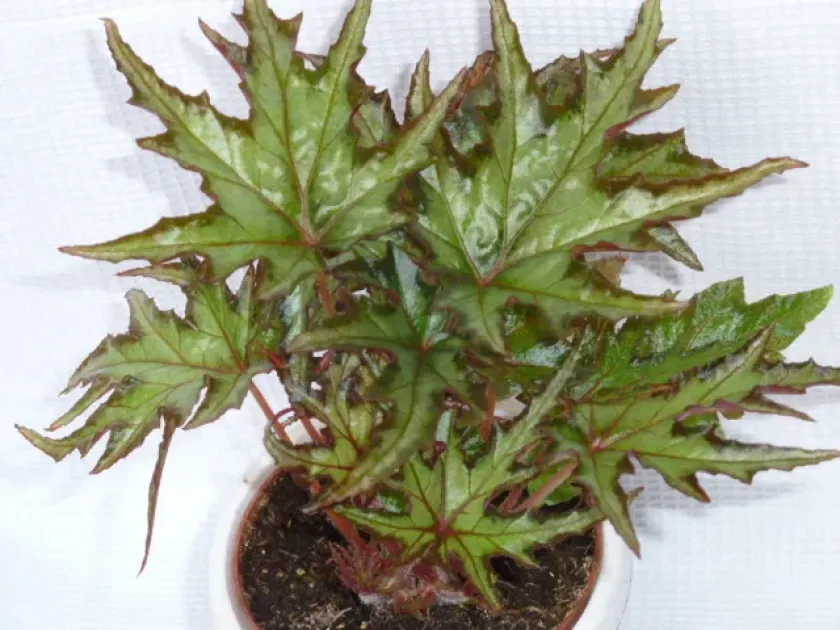
Description
Growing requirements
Sikkim begonia (Begonia sikkimensis) is a perennial herbaceous plant belonging to the Begoniaceae family. It originates from the high-altitude regions of the Himalayas, specifically thriving in the Sikkim district of India.
The plant is highly specialized and requires a humid, cool environment to flourish. It typically grows in areas with filtered forest light, avoiding intense direct solar radiation which could damage the leaf tissue.
Successful cultivation requires a well-draining, acidic, and organic-rich substrate. A mix of peat, perlite, and leaf mold is recommended to mimic the nutrient-dense forest floor of its natural habitat.
Temperature management is crucial for this species. It prefers a temperate climate and does not tolerate frost, making it primarily a greenhouse or indoor specialty plant in many global regions.
In terms of agricultural use, it is categorized as a high-value ornamental crop. It is popular among botanical collectors who appreciate its distinct foliage and unique evolutionary traits.
Main diseases and pests
The species is susceptible to various fungal pathogens, predominantly powdery mildew and Botrytis (gray mold), especially when ambient air circulation is restricted.
Pest pressures primarily include spider mites and mealybugs, which exploit the plant during periods of lower environmental humidity.
Effective management strategies include maintaining consistent humidity levels and avoiding overhead watering, which helps prevent leaf-borne fungal infections.
Regular sanitation of the growing environment, including the removal of debris, is essential to minimize the risk of pest colonization and mold growth.
If chemical interventions are necessary, organic-based or systemic insecticides specifically labeled for greenhouse begonias should be applied to avoid phytotoxicity.