
Hypnum vaucheri
Hypnum vaucheri
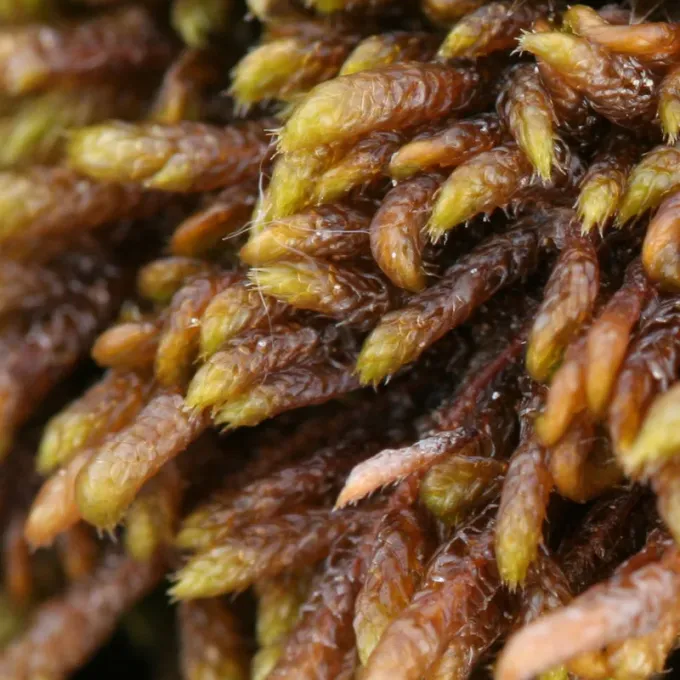
Description
Growing requirements
The species requires moderate light exposure; it flourishes best in areas with dappled sunlight rather than intense, direct solar radiation that can cause dehydration.
It prefers neutral to alkaline substrates. High calcium content is a defining requirement for the vigorous growth of this species, which differentiates it from many other acidophilic mosses.
The plant is exceptionally winter-hardy, capable of surviving sub-zero temperatures by entering a state of physiological dormancy, protecting its cells from frost damage.
Good air circulation is vital. Stagnant air combined with high humidity can trigger the development of pathogens that damage the moss carpet structure.
While moisture is necessary, the substrate must be well-drained. Waterlogging is detrimental, as it prevents the necessary gas exchange that occurs through the moss's surface.
Main diseases and pests
Atmospheric pollution, particularly sulfur and nitrogen oxides, poses the greatest threat to Hypnum vaucheri, as it lacks a root system to filter contaminants.
Invasive vascular plants represent a competitive threat. As these plants grow, they create shade and alter the microclimate, eventually displacing the moss from its habitat.
Physical disturbance, such as heavy pedestrian traffic or grazing, can easily rupture the delicate moss carpet, leading to long-term population decline.
Fungal diseases are a risk factor, primarily manifesting under conditions of poor ventilation or extended periods of excessive, stagnant surface moisture.
Climate instability, specifically prolonged droughts, can significantly reduce the vitality of the moss and interrupt its natural growth cycle.