
Hypnum callichroum
Hypnum callichroum
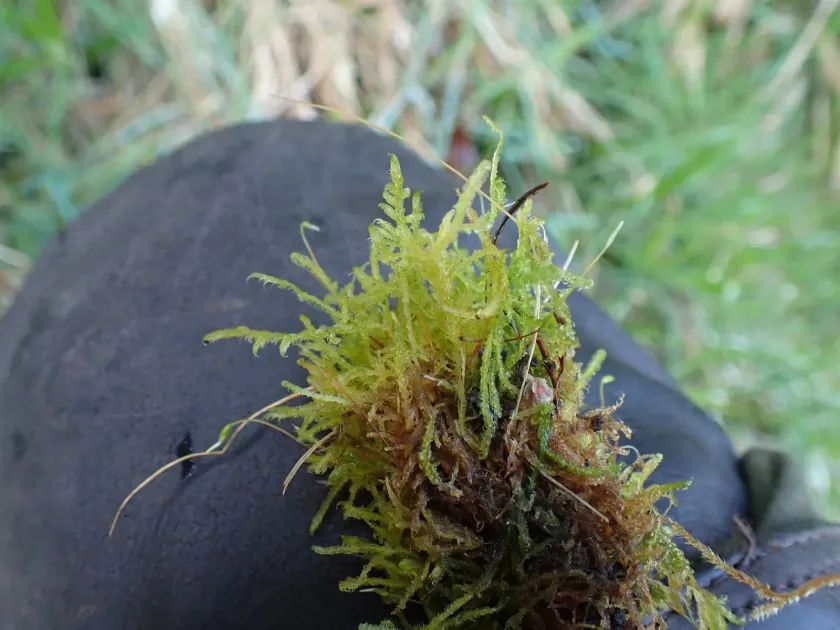
Description
Growing requirements
Hypnum callichroum is a bryophyte belonging to the Hypnaceae family, known for its elegant, feathery growth patterns. It is primarily found in humid, temperate forest environments across the Northern Hemisphere.
While not a traditional agricultural crop, it serves as a critical biological indicator in forestry and ecological studies. It thrives in stable microclimates where humidity levels remain consistently high throughout the season.
The plant requires acidic, nutrient-rich, and moist substrates to establish its colonies. It typically avoids direct sunlight, preferring the filtered light found beneath the dense canopy of coniferous or mixed forests.
Regarding cultivation, Hypnum callichroum is primarily utilized in niche horticulture, such as terrarium building or woodland restoration projects where moisture regulation is paramount.
Propagation occurs via spores or vegetative division of the gametophyte. Success in maintaining this moss relies heavily on replicating the high humidity and cool temperatures characteristic of its native habitat.
Main diseases and pests
The primary threat to Hypnum callichroum populations is habitat fragmentation and the subsequent drying of forest micro-environments. Changes in water tables have a direct lethal effect on the colony.
Air pollution, particularly nitrogen deposition and sulfur dioxide, poses a severe risk. As mosses lack true vascular roots, they are highly sensitive to pollutants filtered through their foliage.
Increased temperatures due to global climate shifts threaten to dry out the delicate stems, preventing the moss from undergoing its reproductive cycle effectively.
Competition with faster-growing herbaceous plants can lead to the displacement of moss mats if the ecosystem's structural balance is disturbed by deforestation or invasive species.
Fungal infections can develop in instances of poor ventilation combined with extreme water stagnation, although this is usually a secondary issue resulting from environmental stress.