
Hypnum curvifolium
Hypnum curvifolium
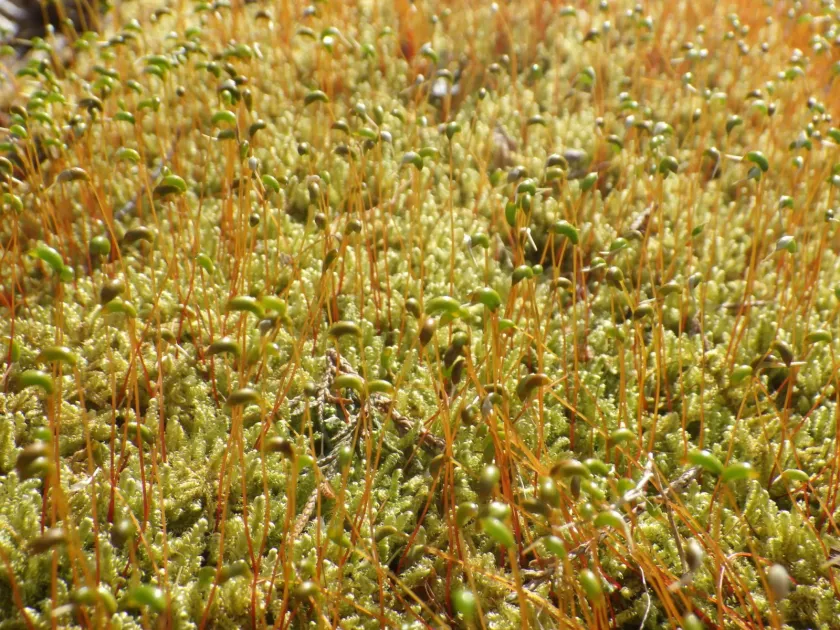
Description
Growing requirements
Hypnum curvifolium, commonly known as the curved-leaf hypnum, is a perennial moss species belonging to the Hypnaceae family. It is recognized for its creeping growth habit, forming dense, dark-green carpets on decaying wood, rocks, and moist soil surfaces.
This species thrives in shaded, humid habitats where it can maintain a high moisture content. It is typically found in temperate forest regions, where it plays a critical role in the moisture-retaining capacity of the forest floor, acting as a natural sponge for the ecosystem.
When cultivated in managed environments, it requires a neutral to slightly acidic substrate rich in organic matter. The moss is highly sensitive to desiccation, and therefore, consistent humidity levels are essential for its long-term survival and propagation success.
Botanically, Hypnum curvifolium is distinguished by its curved, falcate leaves. These leaves allow the plant to achieve high density, which is a key adaptation for capturing atmospheric moisture and providing shelter for microscopic forest organisms.
The practical use of this moss extends to terrarium building and sustainable landscaping. Its ability to thrive in low-light conditions makes it an excellent choice for indoor vertical gardens and specialized botanical displays that mimic natural forest microclimates.
Main diseases and pests
Environmental changes, particularly habitat loss and fragmentation, represent the primary threats to Hypnum curvifolium. Because the moss relies on specific humidity gradients, even minor changes in the microclimate can lead to local extinction.
Atmospheric pollution poses a significant risk to this bryophyte. As it absorbs moisture and nutrients directly from the air, the accumulation of sulfur and nitrogen compounds leads to physiological damage, making it a sensitive indicator of air quality.
Fungal pathogens and mold growth are the most common issues during controlled cultivation. These are almost exclusively linked to poor ventilation and excessive, stagnant moisture within the growing medium, which suppresses the moss's natural defenses.
Invasive species and rapid encroachment by vascular plants can outcompete Hypnum curvifolium. When the canopy density changes and more direct sunlight reaches the forest floor, the moss rapidly loses its competitive edge, drying out and being replaced by sun-tolerant flora.
Proactive management of the local microenvironment is essential to mitigate these threats. Utilizing high-quality, filtered water and ensuring moderate airflow can prevent most common pathogenic outbreaks and preserve the integrity of the moss mat.