
Hypnum cupressiforme
Hypnum cupressiforme
Description
Growing requirements
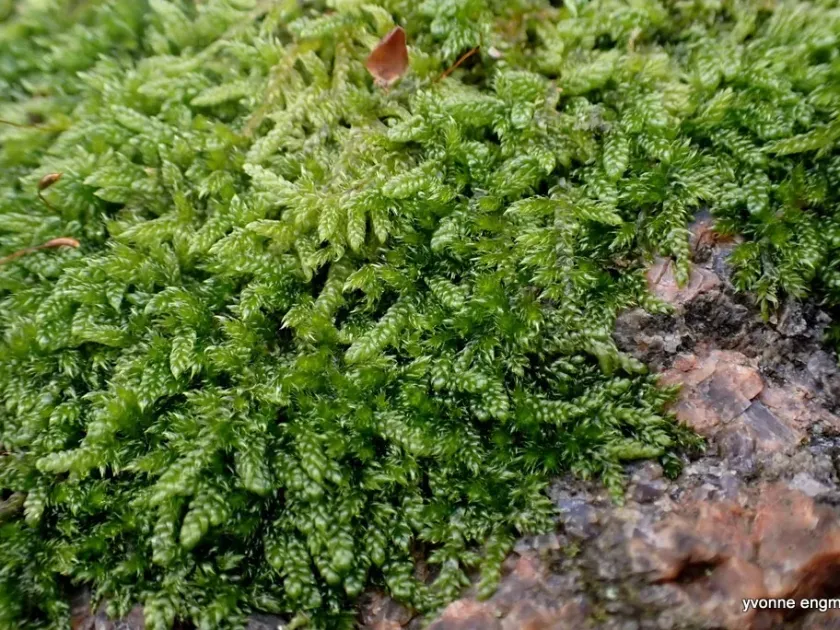
Hypnum cupressiforme, commonly known as cypress-leaved plait-moss, is a species of moss belonging to the Hypnaceae family. It is one of the most widely distributed mosses globally, found in diverse environments from forests to rocky landscapes.
This moss thrives in shaded, moist environments where it forms dense, glossy green or golden-green mats. It is highly versatile, capable of growing on varied substrates including soil, decaying logs, stones, and even the bark of living trees.
The biological characteristics of this plant include a slow growth rate and an ability to adapt to a wide range of pH levels in the soil. It is well-suited for temperate climates and shows high resilience to desiccation compared to other species.
To cultivate Hypnum cupressiforme, one must ensure high air humidity and a stable temperature environment, ideally between 10 and 22 degrees Celsius. It does not require intensive fertilization, as it absorbs most nutrients from the atmosphere and dust.
Proper drainage is critical in cultivation setups to prevent waterlogging, which can lead to fungal issues. The moss is sensitive to high air pollution levels, making its presence a reliable bioindicator of air quality.
Main diseases and pests
The primary environmental threat to Hypnum cupressiforme is prolonged drought. While the plant can survive dry spells, severe and persistent lack of moisture will result in the loss of structural integrity and color fading.
High humidity combined with poor ventilation is another major risk factor, as it creates an ideal environment for mold and fungal pathogens. These can rot the lower parts of the moss mat, causing total destruction of a colony.
Environmental pollutants, particularly sulfur dioxide and acidic rain, are highly toxic to this species. Exposure to contaminated air can significantly reduce the vitality of the moss and inhibit its reproductive cycles.
Mechanical damage from foot traffic or improper handling during harvest significantly impacts its recovery potential. Because of its slow growth rate, affected areas may require several years to regenerate fully.
While pests are generally uncommon in the wild, indoor or nursery settings may occasionally see infestations by small arthropods that exploit the moist, organic environment provided by the moss mats.
Harvesting
Harvesting Hypnum cupressiforme typically involves the careful removal of moss sods from established patches. Sustainable harvesting practices are essential to ensure that enough moss remains for natural regeneration.
The ideal time for collection is during dry weather, which helps keep the harvested material clean and free from excess water. After collection, the moss should be gently cleaned of forest debris such as needles, twigs, and bark particles.
For ornamental or industrial use, the moss is dried in shaded, well-ventilated areas. This method preserves its natural elasticity and color, which is highly sought after for interior decoration and botanical displays.
In landscaping, "sod transplantation" is the preferred method for immediate ground cover. By moving segments of the moss along with their underlying substrate, the transition to a new location is more successful.
Storage of the dried product must occur in a controlled, dry environment. Maintaining the correct moisture balance is key to preventing the growth of mold or other decay-inducing microorganisms during shelf storage.