
Hypnum imponens
Hypnum imponens
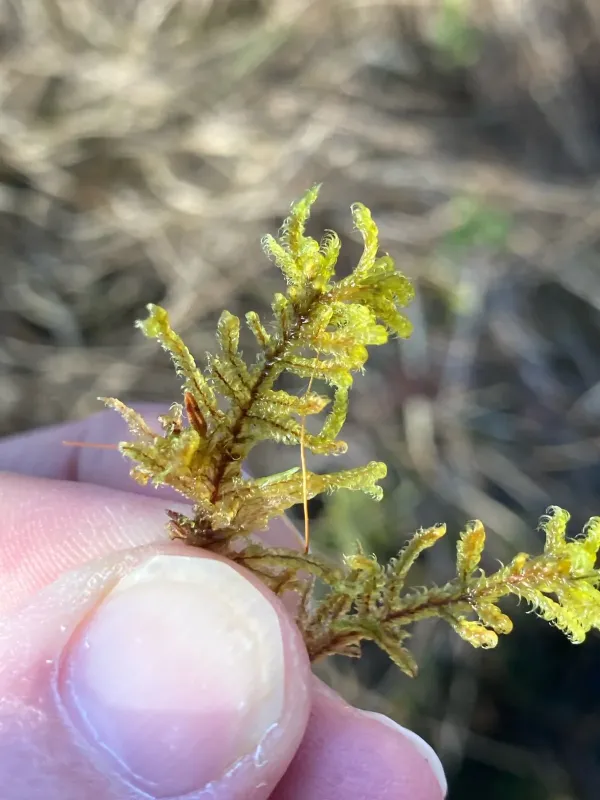
Description
Growing requirements
Hypnum imponens is a notable species within the Hypnaceae family, widely recognized for its creeping growth habit and dense, mat-forming capabilities. In the horticultural sector, it is valued as a specialized ground cover for shade-loving landscapes and indoor terrariums.
The origin of this moss is primarily linked to the moist, temperate forests of the Northern Hemisphere. It thrives in environments where humidity levels remain consistently high and where the substrate provides a slightly acidic chemical profile, essential for its metabolic processes.
Success in cultivating this moss depends entirely on climate management. It requires a stable, shaded environment protected from wind, which can rapidly dehydrate the plant. Growers often utilize artificial misting systems to mimic forest conditions, ensuring the plant stays moist throughout the day.
The soil requirements are distinct: the moss prefers substrates rich in organic matter, such as peat or decaying wood, rather than standard mineral-rich field soils. Proper aeration is crucial; the substrate must remain damp but never waterlogged to prevent root-like rhizoid rot.
Economically, Hypnum imponens is utilized in the ornamental industry for creating sustainable "living" carpets. It is also highly regarded in the production of high-quality orchid media, where its natural water-retention properties and antimicrobial characteristics provide a superior growing environment.
Main diseases and pests
The primary threats include extreme desiccation, which compromises the delicate photosynthetic tissues of the plant. Once a patch of Hypnum imponens dries out, it loses its structural integrity and becomes susceptible to invasive species that can outcompete it for space.
Environmental stress also includes susceptibility to fungal pathogens, which thrive in stagnant, excessively warm air. Furthermore, the use of hard water, characterized by high mineral content, is highly detrimental, as it leads to salt buildup that burns the sensitive cellular structures of the moss.