
Hypnum lacunosum
Hypnum lacunosum
Description
Growing requirements
Hypnum lacunosum is a prominent species of moss belonging to the Hypnaceae family. It is typically found in habitats such as dunes, sandy grasslands, and open areas where the soil is rich in calcium carbonates.
This moss species exhibits significant resilience, capable of surviving in environments with fluctuating water availability. Its ability to tolerate periodic drought makes it a unique subject for ecological studies and land stabilization.
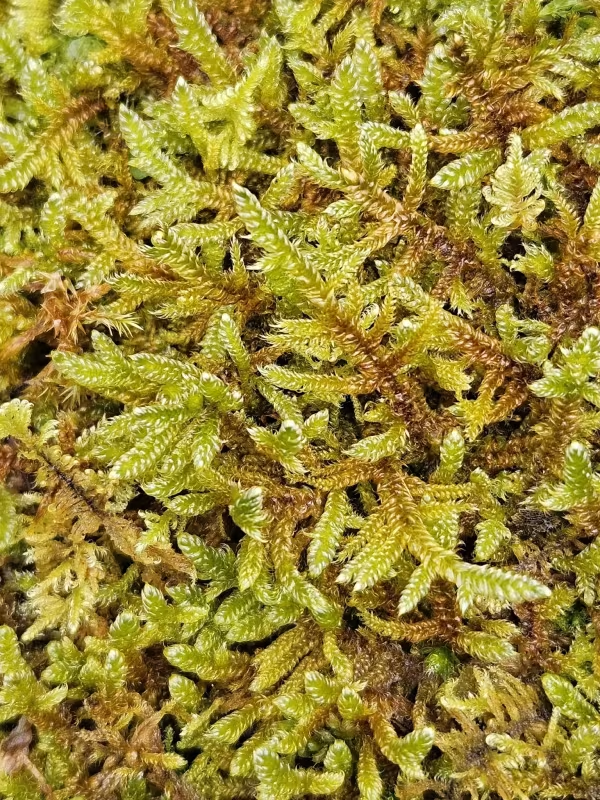
Botanically, the plant forms dense, low-growing mats with feathery, branched stems. This growth pattern allows the moss to effectively cover surface areas, protecting them from erosion caused by wind or light rainfall.
Regarding soil requirements, the species prefers neutral to slightly alkaline substrates. It does not thrive in highly acidic conditions, making it an indicator species for specific soil health parameters in its natural habitat.
Cultivation practices for this moss focus on maintaining appropriate moisture levels without creating waterlogged conditions. It requires sufficient light exposure to maintain its characteristic coloration and dense structure.
Main diseases and pests
The primary threats to Hypnum lacunosum include the loss of habitat due to land development and changes in soil chemistry. The use of nitrogen-rich fertilizers in nearby areas can drastically alter the micro-ecosystem.
Mechanical destruction is another significant risk factor. The moss mats are susceptible to tearing under heavy traffic or grazing, which can lead to the fragmentation and subsequent decline of established colonies.
Environmental stressors such as atmospheric pollution and chemical drift from agricultural activities pose a danger to the moss's health, as it absorbs nutrients and pollutants directly through its leaves.
Pathogenic fungi and mold can colonize the moss if humidity remains too high without adequate airflow, especially in dense populations that have been physically damaged or stressed.
Managing the surrounding vegetation is essential, as the encroachment of tall grasses and invasive species can shade out the Hypnum lacunosum, preventing the photosynthesis required for its survival.