
Hypnum revolutum
Hypnum revolutum
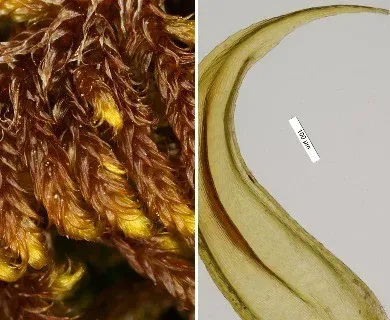
Description
Growing requirements
Hypnum revolutum is a prominent species of moss within the Hypnaceae family. Known for its resilience in arctic and alpine environments, it forms dense, golden-green mats that can colonize harsh, stony, and nutrient-poor substrates, making it a unique botanical specimen.
The morphology of this plant features small, recurved leaves, which provide its characteristic appearance. It primarily thrives in regions with high light exposure and well-drained conditions, demonstrating remarkable cold hardiness and the ability to survive periodic drought through metabolic dormancy.
Cultivation requirements focus on mimicking natural calciferous rocky habitats. A substrate rich in minerals with a neutral to slightly alkaline pH is optimal. Proper drainage is essential to prevent the accumulation of moisture, which is the most frequent cause of mortality in cultivated populations.
In terms of climate, the species requires consistent air circulation and protection from stagnant humidity. While it is highly adaptable to temperature fluctuations, it performs best in environments where nocturnal cooling occurs, allowing the plant to recover and maintain its cellular turgidity.
Agricultural and landscape use is centered on xeriscaping and rock garden design. It serves as an excellent low-maintenance ground cover for challenging spaces where vascular plants struggle to establish roots due to thin soil layers or exposure to harsh elements.
Main diseases and pests
The main threats to Hypnum revolutum include fungal pathogens that thrive in poorly ventilated conditions. Root and stem rot are common when the substrate remains overly saturated, leading to the rapid decay of established moss mats.
Insect pests, such as soil mites and springtails, occasionally cause damage by feeding on the apical meristems of the moss. While rarely fatal in small numbers, severe infestations can significantly slow the growth rate of the culture.
Environmental pollutants, particularly urban smog and heavy metals, are detrimental to the long-term health of this moss. Its high surface-area-to-volume ratio makes it prone to absorbing toxic particles from the air, which can lead to localized necrosis.
Weed encroachment represents a major competitive threat. Because this species grows slowly, faster-growing weeds can quickly shade out the moss, depriving it of the necessary light and eventually leading to its replacement by more aggressive vegetation.
Proper management of the growing site, including occasional manual cleaning and the maintenance of open space around the moss colonies, is crucial to ensuring its survival and sustained aesthetic value in professional landscaping projects.