
Hypnum resupinatum
Hypnum resupinatum
Description
Growing requirements
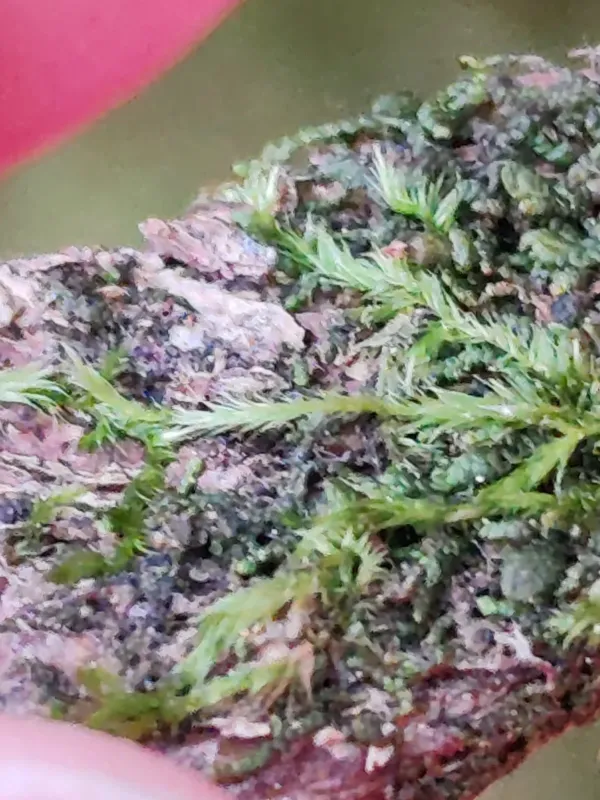
Hypnum resupinatum is a species of pleurocarpous moss belonging to the Hypnaceae family. It is characterized by its creeping growth form, where stems are tightly appressed to the substrate, creating distinctive mat-like structures on surfaces.
This moss is widely distributed across temperate regions of the Northern Hemisphere. It thrives in shaded, humid environments, commonly found on tree bark, decaying logs, and rocky outcrops within forest interiors that maintain consistent moisture levels.
The plant has specific climatic requirements, preferring cool, temperate conditions with high atmospheric humidity. It is particularly vulnerable to desiccation and direct solar radiation, necessitating the protective canopy of woody vegetation to maintain its micro-climate.
Regarding substrate requirements, it prefers surfaces with a slightly acidic to neutral pH level. The presence of organic detritus on the substrate helps in moisture retention, which is essential for the metabolic activities and vegetative growth of the moss.
In terms of cultivation or management, maintaining high humidity and filtered, indirect light is paramount. In horticultural settings or re-vegetation projects, it requires a stable, undisturbed surface and protection against abrupt temperature fluctuations.
Main diseases and pests
Atmospheric pollution serves as the most significant threat to this species. Being a sensitive bio-indicator, Hypnum resupinatum quickly declines in regions with high sulfur dioxide levels or heavy metal contamination in the air, reflecting poor environmental health.
Habitat loss, driven by deforestation and land-use changes, significantly impacts population viability. The removal of host trees and the subsequent drying of the forest micro-climate lead to the rapid disappearance of established moss colonies.
While traditional crop pests are not a major concern, the species is susceptible to pathogenic fungi in stagnant air conditions with excessive moisture. These pathogens can cause decay in the dense mat structures, leading to the loss of large patches.
Mechanical disturbance from human activity, including trampling or over-harvesting for decorative purposes, disrupts the delicate growth patterns of the moss. Recovery of these slow-growing colonies in disturbed habitats can take many years.
Climate change poses a long-term challenge, as shifts in precipitation patterns threaten the stability of the moist forest micro-ecosystems upon which the species depends. Conservation efforts should focus on preserving old-growth forest tracts.