
Hypnum mammillatum
Hypnum mammillatum
Description
Growing requirements
Hypnum mammillatum is a moss species belonging to the family Hypnaceae. It is recognized for its ability to form dense, spreading mats that play a significant role in forest ground cover and moisture retention.
The distribution of this species is primarily centered in temperate forest zones. It thrives in shaded, humid environments, commonly colonizing decaying wood, moist soil surfaces, and rocky outcrops within woodland areas.
The habitat requirements for this moss include consistently high levels of humidity and stable microclimatic conditions. It is particularly sensitive to direct sunlight and requires a cool environment to maintain its metabolic activities.
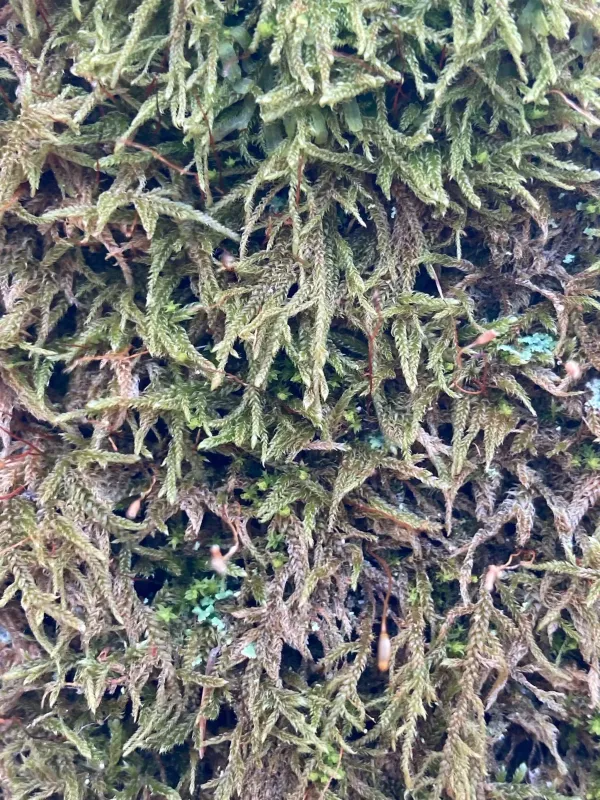
Morphologically, the plant is characterized by creeping stems covered with imbricate, mamillate leaves. These specialized structures are essential for the plant's ability to absorb water and nutrients from atmospheric sources and surface run-off.
In terms of ecological importance, Hypnum mammillatum contributes to soil stabilization and water regulation within forest ecosystems. While not a conventional agricultural crop, it is studied for its role in environmental monitoring and biodiversity conservation.
Main diseases and pests
The primary threat to Hypnum mammillatum populations is the alteration of forest microclimates due to deforestation. The loss of canopy cover leads to increased light penetration and desiccation of the forest floor.
Hydrological changes, such as the drainage of wetlands or forest areas, negatively impact the survival of these mosses. Stable moisture levels are critical, and prolonged dry spells lead to the collapse of the moss mats.
Atmospheric pollution, particularly acid rain and heavy metal deposition, poses a significant risk. As bryophytes lack a protective cuticle and true roots, they are highly susceptible to the accumulation of airborne toxins.
Competitive displacement by faster-growing vascular plants or invasive moss species can occur if the local ecosystem is disrupted. Shifts in soil chemistry, specifically nitrogen loading, often favor other species over the sensitive Hypnum.
Physical disturbances, including trampling and habitat fragmentation, can cause irreversible damage to the fragile colonies. Conservation efforts must focus on maintaining the integrity of undisturbed forest habitats.