
Hypelate
Hypelate
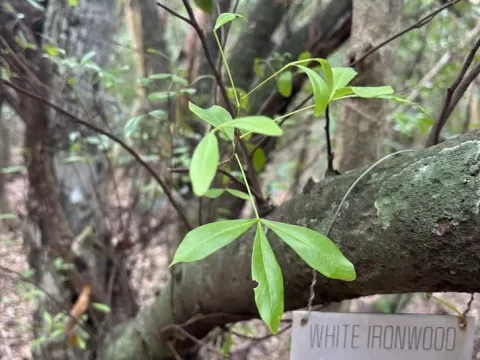
Hypelate is a genus of flowering plants in the soapberry family, Sapindaceae. It is best known for its single species, Hypelate trifoliata, commonly referred to as the white ironwood.
What the section contains

Hypelate
The plant is native to the Caribbean region, including Florida, Cuba, and the Bahamas. It thrives in limestone soils and is naturally adapted to rocky environments where drainage is excellent.
Climate requirements include warm tropical or subtropical conditions. Hypelate is highly sensitive to freezing temperatures and performs best in full sun, which promotes dense foliage and healthy development.
Cultivation practices involve selecting well-draining soil sites. Because it is a drought-tolerant species once established, excessive watering should be strictly avoided to prevent root system degradation.
In terms of usage, the plant is highly valued for its ornamental appeal in seaside landscaping due to its resilience to salt air and its sturdy, aesthetically pleasing architectural structure.
The primary threat to the health of the tree is root fungal infection, frequently triggered by improper soil drainage or excessive irrigation in heavy clay-based substrates.
Insect pests, such as scales and mites, can occasionally colonize the undersides of the leaves. These pests weaken the plant by extracting essential sap, particularly during dry seasons.
In crowded nursery conditions, poor ventilation can lead to the development of fungal leaf spot diseases, which mar the appearance of the foliage and reduce overall vigor.
Physical damage to the tree's trunk can serve as an entry point for wood-boring insects, which can severely compromise the structural integrity of the wood over time.
Maintaining clear space around the root zone and ensuring adequate airflow through the canopy are the most effective cultural controls for preventing pest and disease outbreaks.