
Interspecific grape hybrids
Hybrids between Vitis vinifera and Vitis labrusca
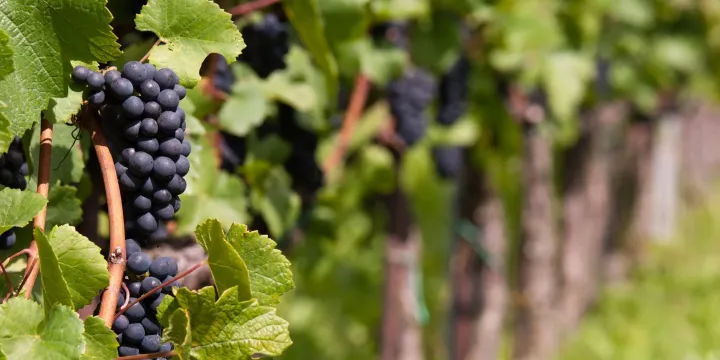
Description
Growing requirements
Interspecific hybrids derived from Vitis vinifera and Vitis labrusca belong to the Vitaceae family. These varieties represent a bridge between high-quality European wine grapes and the vigorous, disease-resistant American species.
The primary agricultural value of these hybrids lies in their cold-hardiness and adaptability. They are specifically developed to thrive in temperate regions where the classic Vitis vinifera cultivars would struggle to survive winter dormancy.
Regarding soil requirements, these vines favor well-drained, fertile sites. While they are more tolerant of various soil types than many European grapes, they perform best in soils with a slightly acidic to neutral pH range, ensuring optimal nutrient availability.
Vineyard management involves precise canopy thinning and seasonal pruning. By managing the foliage, growers can ensure that sunlight reaches the clusters, which is essential for uniform ripening and the development of flavor compounds.
Water management is critical during the initial establishment of the vineyard. While mature vines are relatively drought-tolerant, supplemental irrigation during dry spells promotes better vegetative growth and consistent fruit set throughout the season.
Main diseases and pests
One of the most notable characteristics of these hybrids is their innate resistance to major fungal pathogens. They typically exhibit much higher tolerance to downy mildew and powdery mildew, which significantly reduces the need for chemical spraying.
Despite their robustness, these vines are not immune to all threats. Botrytis bunch rot can occur under high humidity conditions, necessitating good airflow and diligent bunch management to keep the grapes dry and healthy.
Phylloxera resistance is a key trait inherited from their V. labrusca ancestors. This genetic resistance makes them highly valued for plantings in regions where root-feeding pests pose a constant threat to less hardy varieties.
Pests like leafhoppers and mites can sometimes impact the health of the leaves. Sustainable pest management practices, such as encouraging beneficial predatory insects, are often effective in maintaining balance within the vineyard ecosystem.
Regular monitoring of the vine trunks and cordons for signs of physical injury is advised. Maintaining the integrity of the vine structure helps prevent secondary bacterial infections that could weaken the overall vigor of the plant over time.