
Muscadine-European grape hybrids
hybrids between Vitis rotundifolia Michx. var. rotundifolia and Vitis vinifera L. subsp. vinifera
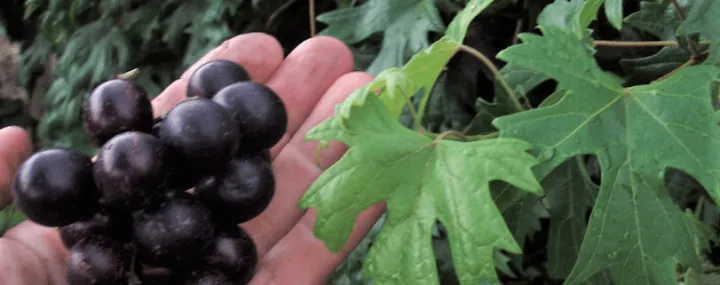
Description
Growing requirements
Muscadine-European grape hybrids are interspecific crosses between Vitis rotundifolia and Vitis vinifera. Belonging to the Vitaceae family, these hybrids aim to bridge the gap between the robust disease resistance of the muscadine grape and the high quality of European wine grapes.
These hybrids are native to environments where warm, humid climates prevail, mirroring the ecological conditions of the southeastern United States. They require long growing seasons and high cumulative heat units to ensure proper berry maturation and flavor development.
Regarding soil conditions, these vines prefer well-drained, fertile loam that retains moisture without becoming waterlogged. They are notably more tolerant of acidic soil environments compared to standard Vitis vinifera cultivars.
Agronomic management requires specialized trellis systems to manage the vigorous growth habit typical of muscadine parents. Proper pruning is essential to maintain a productive balance between vegetative growth and fruit production.
Fertilization regimes should prioritize magnesium and boron application, as these hybrids are prone to micronutrient deficiencies in certain soil types. Consistent water supply is critical during the fruit-set stage to maximize yield potential.
Main diseases and pests
The most significant genetic advantage of these hybrids is their innate resistance to phylloxera, a devastating root pest. This allows them to be grown on their own roots, reducing the dependency on rootstocks required by traditional viticulture.
Despite their resistance to common pathogens like downy mildew and powdery mildew, they are still susceptible to bunch rots caused by fungi during periods of high humidity. Proactive canopy management is the primary defense strategy for growers.
Insect pests, such as grape berry moths and mites, may require monitoring and integrated pest management (IPM) strategies. Regular inspection of the foliage and clusters is vital to identify and mitigate pest outbreaks before they escalate.
Virus management is another critical aspect; the introduction of systemic viruses via grafting or insect vectors must be controlled through strict sanitation and the use of healthy propagation material.
These hybrids are primarily utilized in breeding programs aimed at developing climate-resilient cultivars for sustainable viticulture, offering a unique opportunity for both high-quality wine production and fresh market consumption.