
Intergeneric hybrids of Vitis rotundifolia and Vitis vinifera
hybrids between Vitis rotundifolia Michx. and Vitis vinifera L.
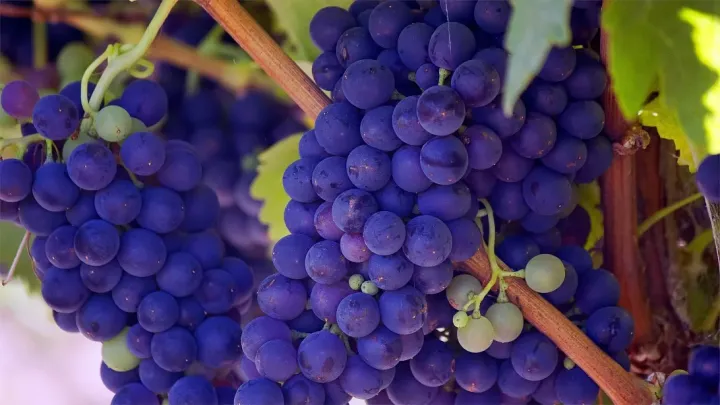
Description
Growing requirements
Hybrids of Vitis rotundifolia and Vitis vinifera are developed to combine the robust nature of the Muscadine grape with the sophisticated flavor profile of traditional European vines. These plants are part of the Vitaceae family and are highly valued in warm, humid viticultural zones.
These hybrids are native to or primarily cultivated in regions with long, warm growing seasons. Unlike standard European grapes, they possess genetic traits derived from Vitis rotundifolia that provide superior heat tolerance and exceptional disease resistance.
Site selection is crucial; these plants thrive in well-drained, sandy loam soils. They are particularly intolerant of wet, "heavy" clay soils that can lead to root asphyxiation, so raised beds or slope planting is frequently recommended by agronomists.
The agrotechnical management requires specialized trellising systems. Given their vigorous vegetative growth, growers must implement consistent pruning strategies to maintain canopy balance and ensure adequate light penetration to the developing fruit clusters.
Regarding soil fertility, these vines generally require a balanced NPK fertilizer application, though growers should be cautious with nitrogen levels to avoid excessive foliage growth that can reduce fruit quality.
Main diseases and pests
The most significant benefit of these hybrids is their innate resistance to major pests like phylloxera, as well as common fungal pathogens including downy mildew and powdery mildew.
Despite their resilience, they can be susceptible to Pierce’s disease in certain geographic regions, necessitating careful selection of resistant clones during vineyard establishment.
Pest pressures can shift depending on local ecology; therefore, monitoring for leafhoppers and grape berry moths remains a standard part of integrated pest management (IPM) protocols.
Anthracnose can be a localized concern during exceptionally wet springs, requiring timely application of protective fungicides to protect new shoot growth.
Sanitation practices, such as removing fallen leaves and pruning debris, are effective strategies to prevent the carryover of inoculum and minimize the reliance on chemical interventions.