
Hibiscus syriacus and Hibiscus sinosyriacus hybrids
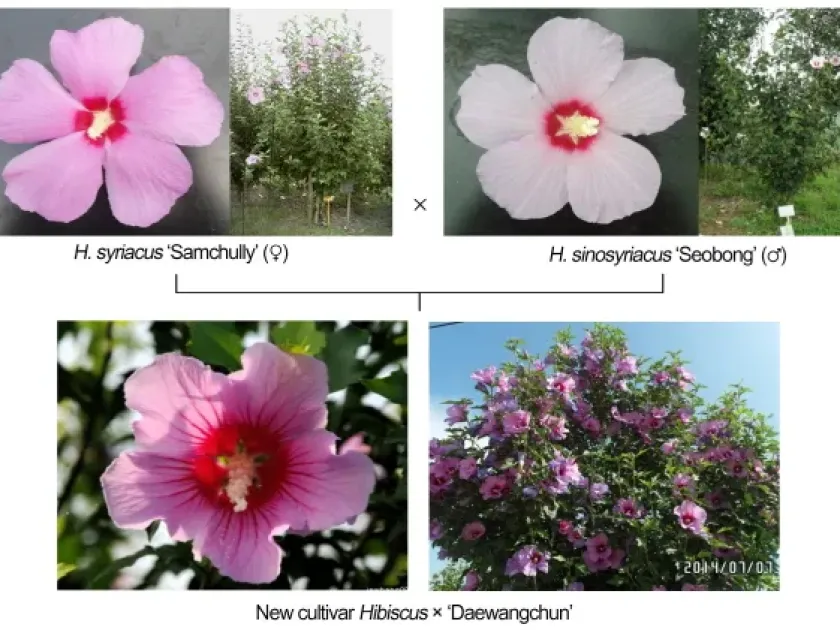
hybrids between Hibiscus syriacus L. and Hibiscus sinosyriacus L. H. Bailey
Description
Growing requirements
These hybrids belong to the Malvaceae family. They are prized in landscape gardening for their robust habit, inheriting the cold tolerance of Hibiscus syriacus and the expanded flower size characteristic of Hibiscus sinosyriacus.
The cultural requirement for these hybrids includes a position in full sun to ensure maximum flower production. Protection from prevailing harsh winds is highly recommended, especially in regions with cooler spring temperatures.
Well-drained soil is non-negotiable for these cultivars. While they are tolerant of various soil types, they thrive in deep, humus-rich soils that maintain consistent moisture levels without ever becoming waterlogged.
Regular irrigation is essential throughout the growing season, particularly during the hot summer months. Applying a balanced fertilizer in the early spring encourages vigorous growth and improved bloom density throughout the season.
Structural pruning should be conducted in late winter or early spring before the buds break. This practice helps maintain a manageable shape and encourages new growth, which in turn leads to a higher volume of flowers.
Main diseases and pests
Aphids are the most common pest found on the foliage and flower buds. They are typically controlled using gentle insecticidal soaps or by encouraging natural predators in the garden ecosystem.
Spider mites can become problematic during periods of intense heat and low humidity. Regular monitoring of the underside of leaves is necessary to catch infestations before they cause significant yellowing.
Fungal issues such as leaf spot can occur if the foliage remains wet for extended periods. Ensuring proper spacing between plants is the best way to allow for sufficient air circulation and reduce disease pressure.
Verticillium wilt is a serious soil-borne threat that can cause sudden wilting of branches. There is no cure for this, so prevention through proper soil health and avoidance of root damage is critical.
Winter injury may occur in the coldest parts of their range. Providing a thick layer of organic mulch around the base of the plant helps protect the root zone from extreme freezing temperatures.