
Hybrid Boxwood
hybrids between Buxus sempervirens L.and Buxus sinica (Rehder & E. H. Wilson) M. Cheng var. insularis (Nakai) M. Cheng
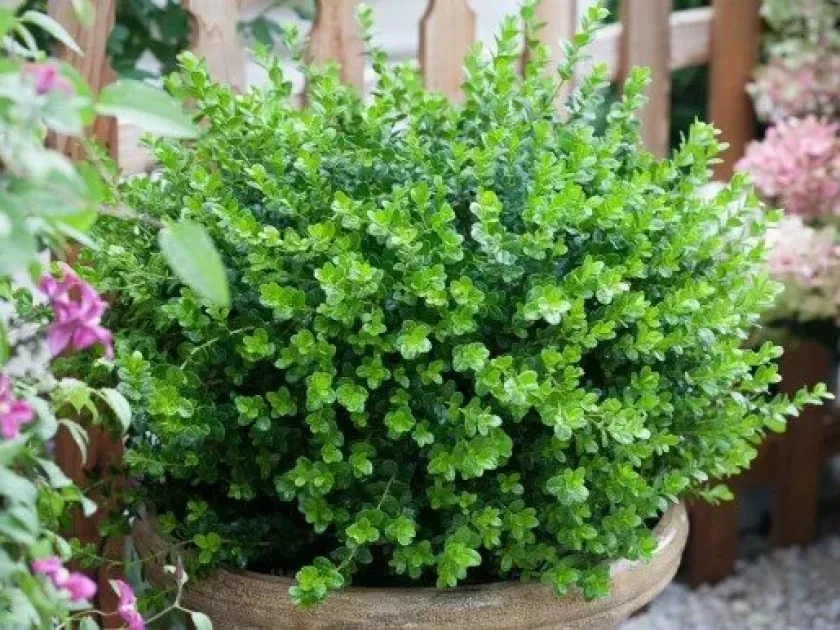
Description
Growing requirements
Hybrid Boxwood, derived from the cross-breeding of Buxus sempervirens and Buxus sinica var. insularis, is a popular evergreen shrub within the Buxaceae family. It is widely recognized for its robust growth and dense, glossy foliage.
The crop thrives in well-drained, fertile soil with a neutral to slightly alkaline pH. It prefers partially shaded locations, which prevent leaf scorching while maintaining the shrub's deep green color throughout the growing season.
Climate requirements for these hybrids are generally more flexible than those of pure species, showing improved winter hardiness. Nevertheless, providing shelter from cold winds and maintaining consistent soil moisture is crucial for plant health.
Agricultural practices center on regular pruning to manage density and shape. This shrub is particularly prized for its ability to recover quickly after trimming, making it a staple in formal gardens and topiary design.
Its primary agricultural and ornamental use is in landscape design, specifically for hedge planting, edging, and sculptural compositions. Its longevity and aesthetic appeal make it a high-value asset for public and private green spaces.
Main diseases and pests
The most significant threat to Hybrid Boxwood is the Box Tree Moth (Cydalima perspectalis), which has become a major pest, causing severe defoliation and potential plant death if not treated promptly.
Blight, caused by fungal pathogens such as Volutella, poses a consistent threat, especially in humid and stagnant air conditions, leading to branch dieback and leaf discoloration.
Integrated Pest Management (IPM) is essential; it includes monitoring for larvae, pheromone trapping, and the targeted application of insecticides or biopesticides during critical growth phases.
Disease prevention relies heavily on good horticultural hygiene, such as spacing plants appropriately to ensure adequate airflow and sanitizing pruning shears to prevent the spread of fungal spores.
Soil moisture management is critical, as excessive irrigation can lead to root rot. Monitoring for drainage issues in clay-heavy soils is recommended to maintain a healthy root system.