
Begonia boliviensis hybrid
Hybrids between Begonia boliviensis and Begonia pendula
Description
Sowing dates
Propagation of the Begonia boliviensis hybrid is primarily achieved through seed sowing or stem cuttings. Seed sowing is typically conducted between January and February to ensure mature plants by the start of the summer season.
Seeds are sown on a light, well-draining substrate without covering them, as they require light to germinate effectively. The containers must be covered with glass or film to maintain high ambient humidity.
The optimal temperature for seed germination is between 22 and 25 degrees Celsius. Once seedlings emerge, the temperature should be gradually decreased, and seedlings should be transplanted into individual pots after developing two true leaves.
Vegetative propagation via cuttings is performed by selecting healthy stems in early spring. These cuttings are rooted in a sterile mix of peat and perlite under conditions of high humidity and warmth.
Providing artificial supplemental lighting is crucial for seedlings and cuttings during the winter months to prevent weak, spindly growth and to encourage strong root development before transplanting.
Growing requirements
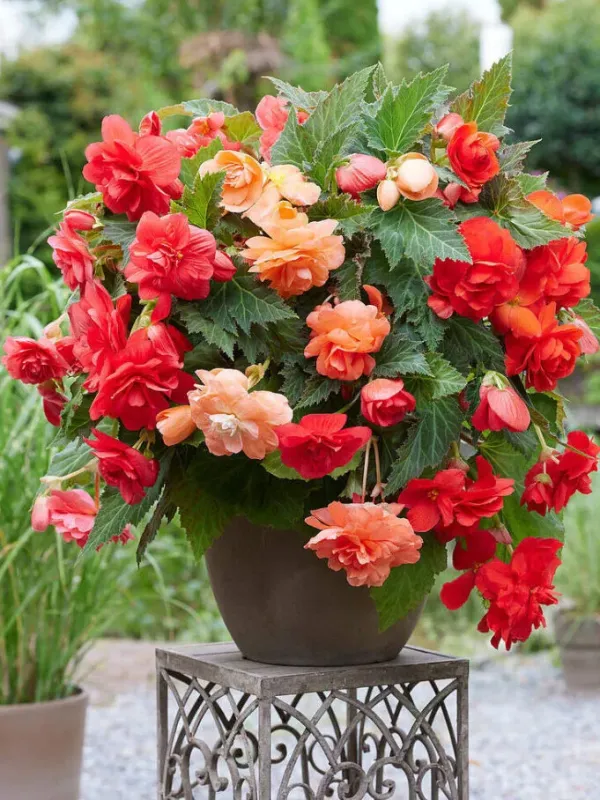
Belonging to the Begoniaceae family, the Begonia boliviensis hybrid is prized for its cascading habit and elegant, bell-shaped flowers. It originates from the high-altitude regions of the South American Andes.
This crop requires a fertile, slightly acidic soil that is light and airy. Excellent drainage is non-negotiable, as waterlogged conditions quickly result in root rot and poor plant performance.
While the plant thrives in bright, indirect light, it is sensitive to intense midday sun, which can scorch the foliage. Partial shade is the ideal environment for maintaining optimal plant health and flower quality.
Regular watering is necessary, but the soil should be allowed to dry slightly between irrigations. Fertilization with a balanced liquid fertilizer during the active growing season is essential to support the prolific flowering.
The climate requirements include a frost-free environment with moderate temperatures. These plants are strictly tropical in nature and must be protected from temperatures below 10 degrees Celsius at all times.
Main diseases and pests
Fungal diseases are the primary threats to this hybrid, with powdery mildew and botrytis being the most prevalent. These conditions are exacerbated by poor ventilation and high humidity levels around the foliage.
Root rot caused by overwatering is a significant concern for container-grown specimens. Preventing water stagnation in the pots is the most effective management strategy against subterranean pathogens.
Spider mites represent the most common pest issue, especially when the plant is kept in dry indoor environments. They feed on the underside of leaves, causing yellowing and eventual leaf drop.
Thrips and aphids can also be problematic, as they pierce tissues and transmit viral infections. Frequent inspection of the foliage is necessary to detect and treat these pests early using appropriate insecticides.
Maintaining a clean growing area and promptly removing dead or diseased plant material are vital steps in disease prevention. Proper spacing between plants helps ensure adequate airflow, reducing the risk of outbreaks.