
Holly hibiscus
Hibiscus splendens Fraser ex Graham
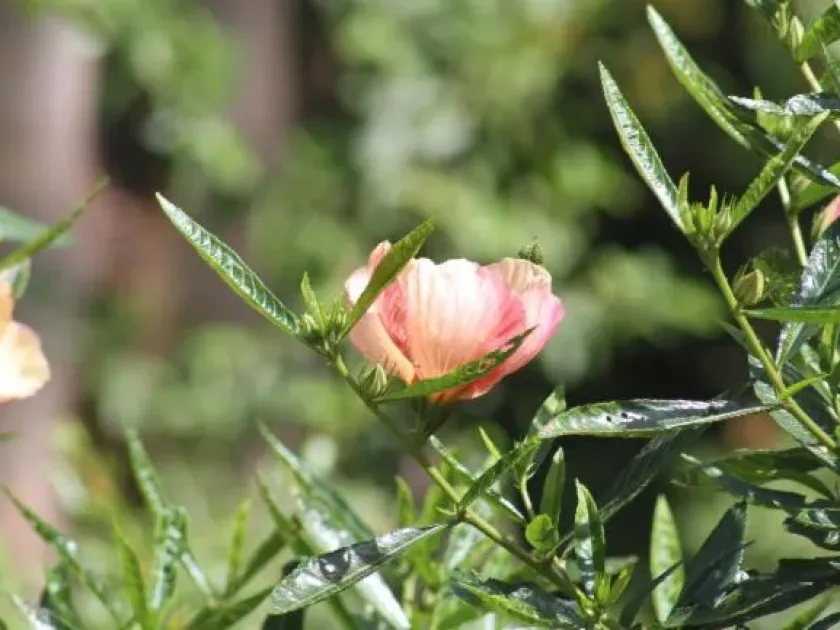
Description
Sowing dates
The propagation of Hibiscus splendens is typically achieved through seeds or stem cuttings. Seeds should be sown in a high-quality, well-draining seed-starting mix during the spring season to ensure optimal germination rates.
For better success, seed scarification or soaking in warm water can help overcome seed coat dormancy. Maintain a constant temperature between 20 and 25 degrees Celsius to encourage strong seedling development.
When using cuttings, select semi-hardwood stems during the growing season. Place the cuttings in a propagation tray with high humidity and bright, indirect light to promote root formation within a few weeks.
Seedlings should be repotted as they grow to ensure their root systems have enough space. Proper hardening off is essential before moving young plants from a greenhouse to their final outdoor location.
Ensure that the planting site is prepared with adequate space, as this species can develop into a large, woody shrub that requires sufficient airflow and room for canopy expansion.
Growing requirements
Hibiscus splendens, a member of the Malvaceae family, is a distinctive shrub native to the eastern parts of Australia. It is recognized for its large, attractive flowers and robust growth habit in suitable climates.
The plant thrives in full sun but benefits from light shade during the hottest part of the day in regions with extreme heat. Providing protection from strong winds is crucial to prevent mechanical damage to its delicate leaves and branches.
Soil requirements focus on fertility and drainage. A rich, loamy soil with a neutral to slightly acidic pH is ideal for promoting healthy growth and vibrant flowering throughout the season.
Watering management is key to successful cultivation. While the plant appreciates consistent moisture, it is vital to avoid waterlogged conditions, which can lead to root suffocation and eventual death of the shrub.
As a warm-climate plant, Hibiscus splendens is not frost-tolerant. In cooler zones, it must be grown in containers, allowing for easy relocation into a conservatory or heated room during winter months.
Main diseases and pests
Common pests affecting Hibiscus splendens include aphids, whiteflies, and spider mites. These pests typically cluster on new growth or the undersides of leaves, sap-sucking and weakening the overall vigor of the plant.
Fungal diseases, such as leaf spot and root rot, are often linked to improper irrigation practices or poor air circulation. These issues become more prevalent in environments with high humidity and lack of ventilation.
Integrated pest management, including the use of neem oil or insecticidal soaps, is highly effective for controlling minor infestations. Regular scouting of the foliage is recommended to catch pest populations early.
Preventative measures against disease include thinning out dense branches to improve airflow and avoiding overhead irrigation. These simple practices significantly reduce the incidence of fungal growth on leaves.
If severe infections occur, the application of targeted fungicides or the surgical removal of heavily infected parts of the plant is necessary to prevent the spread of the pathogen to healthy tissues.