
Hibiscus sinosyriacus
Hibiscus sinosyriacus L. H. Bailey
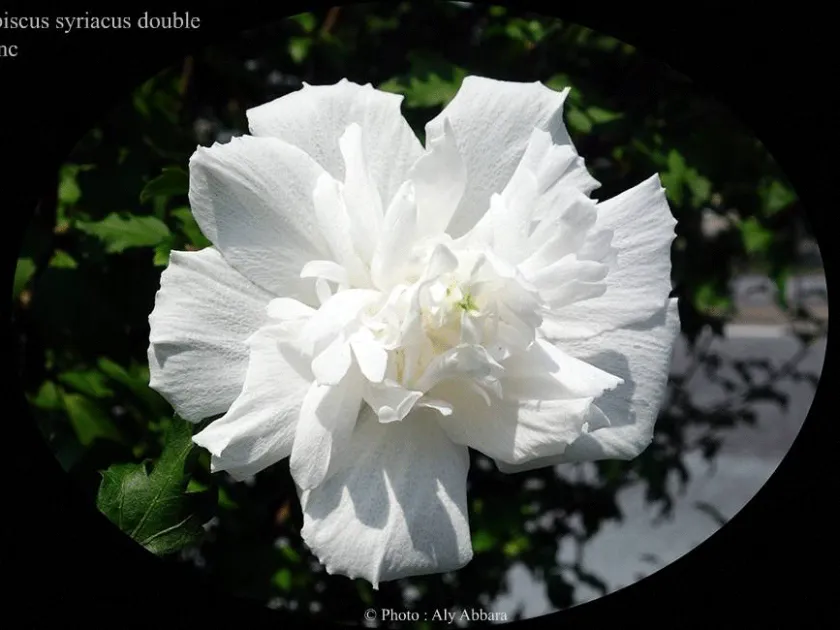
Description
Growing requirements
Hibiscus sinosyriacus, belonging to the Malvaceae family, is a deciduous ornamental shrub native to East Asia. It is often recognized for its superior cold tolerance and robust growth habit compared to other members of the Hibiscus genus, making it an excellent candidate for temperate landscapes.
The culture requires a sunny position to thrive, ideally receiving at least six to eight hours of direct sunlight per day. Adequate light exposure is crucial for stimulating flower production and maintaining the density of the shrub, preventing it from becoming leggy and sparse.
Soil requirements focus on fertility and drainage. The plant prefers deep, loamy soils rich in organic matter. While it can adapt to various soil types, poor drainage can lead to root issues, necessitating the addition of organic amendments or grit to heavy soils during the planting phase.
Regarding climate, this species is noted for its ability to withstand moderate frost once established. Young plants benefit from mulching around the root zone during the winter months to protect against extreme temperature fluctuations and frost heaving in colder regions.
In terms of agricultural and horticultural use, it is a staple in park design and urban planting. Its late-season bloom period, extending through late summer and early autumn, provides valuable color when many other garden plants have finished flowering, enhancing its market demand.
Main diseases and pests
Aphids and spider mites are the primary pests affecting this species, particularly during hot, dry summer conditions. These pests feed on sap, often causing leaf curling and reduced vigor, which requires timely scouting and potential application of horticultural oils or soaps.
Fungal diseases such as powdery mildew are common in environments with high humidity and poor air circulation. Proper spacing between shrubs is essential to facilitate airflow and minimize the risk of infection on foliage throughout the growing season.
Verticillium wilt is a more severe concern, often linked to soilborne pathogens that impair the plant's water-conducting tissues. To mitigate this risk, avoid planting in areas where susceptible crops have previously failed and ensure that the soil remains well-drained.
Root-knot nematodes can occasionally pose a threat in specific soil conditions, potentially affecting the plant's nutrient uptake. Regular monitoring of growth rates can help identify potential underground issues before they manifest as generalized yellowing or decline.
Maintaining strong plant health through proper fertilization and irrigation is the best defense against pests and diseases. By minimizing plant stress, the gardener ensures that Hibiscus sinosyriacus remains resilient throughout its long lifecycle in the landscape.