
Hibiscus paramutabilis
Hibiscus paramutabilis L. H. Bailey
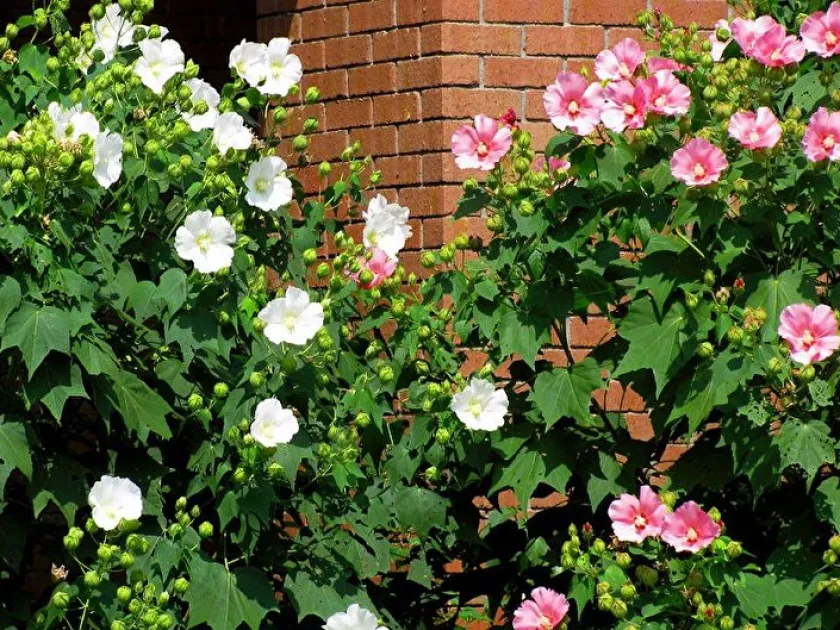
Description
Sowing dates
The sowing of Hibiscus paramutabilis seeds is typically performed in spring once the soil temperature reaches 18–20 degrees Celsius. For high-quality propagation in both agricultural and horticultural settings, greenhouse sowing is recommended.
Pre-stratification of seeds for 30 days at lower temperatures significantly improves germination rates. Seeds should be sown at a depth of no more than 1–1.5 centimeters to ensure optimal conditions for emergence.
In temperate climate regions, transplanting the seedlings into open ground is scheduled for late May, once the risk of night frosts has completely passed. The plant exhibits rapid growth during the initial vegetation period, provided that light levels are sufficient.
Vegetative propagation involves using softwood cuttings taken at the beginning of the summer season. Rooting should occur in a substrate with high humidity and good airflow, which helps maintain the specific varietal traits of the plant.
It is important to note that the crop is sensitive to drastic temperature fluctuations during the seedling phase, so the use of protective covers is advised to ensure stable growth.
Growing requirements
Hibiscus paramutabilis belongs to the Malvaceae family and is a deciduous shrub highly valued for its ornamental appeal. It originates from the mountainous regions of China, naturally adapting to semi-shaded areas or full sun conditions.
For healthy development, the plant requires fertile, well-drained loamy soils with a neutral or slightly acidic pH balance. Poor drainage and waterlogged roots are detrimental to the plant and can trigger severe rot.
The optimal temperature range for vegetation is between 22 and 28 degrees Celsius. During the active flowering period, the hibiscus has high water requirements, especially when cultivated in southern regions with intense sunlight.
The crop requires protection from strong drafts and northerly winds, making locations against southern-facing walls or sheltered by denser hedge structures the ideal choice for planting.
Fertilization should be performed twice per season: nitrogen-based fertilizers in spring to promote foliage growth, followed by phosphorus-potassium fertilizers during bud development to encourage abundant and long-lasting blooms.
Main diseases and pests
The primary pests affecting Hibiscus paramutabilis are spider mites and aphids, which proliferate rapidly during hot and dry weather conditions. Regular inspection of the undersides of the leaves is essential for early detection.
High humidity levels in both soil and air can expose the plant to fungal diseases, such as powdery mildew or leaf spot. Maintaining proper spacing during planting is crucial to ensure effective air circulation and prevent widespread infection.
Root rot is a severe condition caused by poor irrigation management or cultivation in heavy, poorly draining soils. Prevention strategies focus on improving soil drainage and avoiding over-irrigation.
To control pest infestations, systemic insecticides or biological control agents are effective. Applications should ideally be performed in the evening when wind speeds are low to ensure maximum effectiveness.
- Preventive use of fungicides against powdery mildew.
- Sanitary pruning of damaged or dead branches.
- Mulching around the base of the plant to manage soil moisture levels.