
Hibiscus heterophyllus x splendens
Hibiscus heterophyllus x Hibiscus splendens
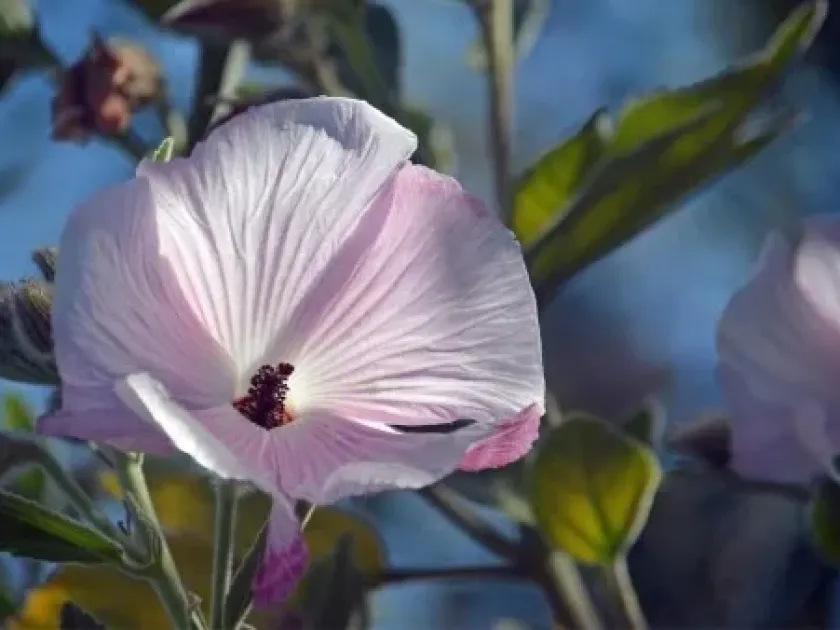
Description
Growing requirements
Hibiscus heterophyllus x splendens is a sophisticated hybrid belonging to the Malvaceae family, originating from distinct Australian species. This plant is highly prized in horticulture for its vigorous growth habit, diverse foliage shapes, and visually striking flowers that characterize its aesthetic appeal.
Cultivation requires full sun exposure to ensure robust growth and maximum flower production. The soil must be fertile, well-draining, and rich in organic matter to mimic the natural habitats of the parent species while preventing waterlogging, which the root system is highly sensitive to.
The climate requirements for this hybrid focus on warmth and humidity. It thrives in tropical and subtropical regions; however, in temperate zones, it is frequently managed as a container plant that can be moved indoors or to a protected greenhouse during cold weather to prevent frost damage.
Agronomic management includes a consistent irrigation schedule, ensuring the substrate remains moist but not saturated. Mulching around the base is recommended to regulate soil temperature and minimize evaporation during the peak summer months.
Regular maintenance involves light pruning to promote branching and maintain a desirable shape. Nutrient management should prioritize balanced NPK fertilizers applied during the growing season to support the high metabolic demands of the flowering stage.
Main diseases and pests
The main biological threats include common pests such as aphids, spider mites, and scale insects. These pests often congregate on the undersides of leaves or around tender shoot tips, potentially weakening the plant and transmitting viral diseases.
Fungal pathogens represent the most significant threat to plant health, particularly in humid environments with poor air circulation. Symptoms such as leaf spots, powdery mildew, and root rot occur when cultural practices, specifically watering and spacing, are neglected.
Integrated pest management (IPM) strategies are essential for maintaining a healthy specimen. This includes using horticultural soaps or oils for early pest outbreaks and systemic treatments only when infestation thresholds are exceeded.
Disease prevention is primarily achieved through sanitation. Removing dead or diseased plant material reduces the inoculum levels in the immediate environment, protecting the health of the hibiscus and neighboring garden plants.
Environmental stress management is critical, as weakened plants are significantly more susceptible to opportunistic pathogens. By ensuring optimal light, space, and nutrient levels, the plant's natural defense mechanisms are optimized against environmental threats.