
Wax mallow
Hibiscus coccineus x Hibiscus laevis All. x Hibiscus moscheutos L.
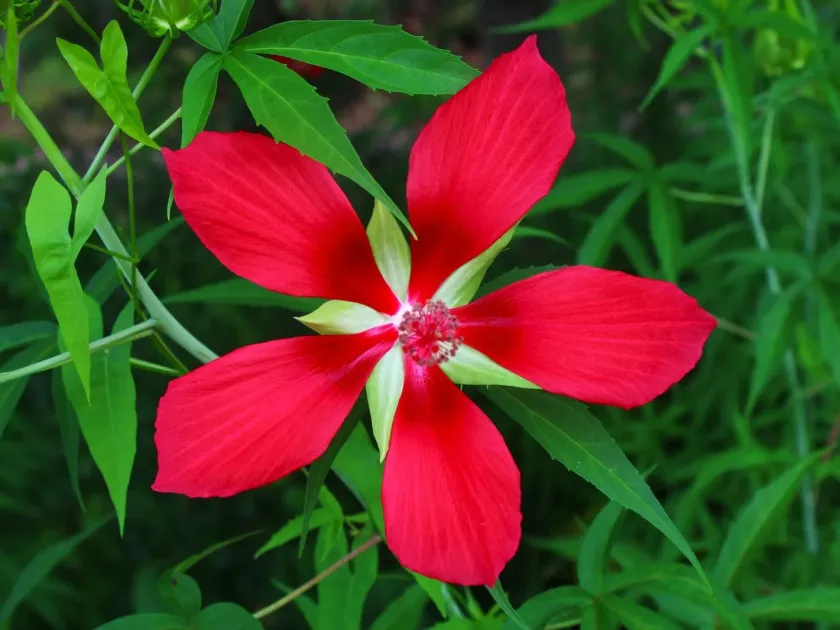
Description
Sowing dates
Sowing seeds of the Wax Mallow should be performed in a controlled environment such as a greenhouse or a warm indoor space by late February or early March. Pre-soaking seeds in a growth promoter for several hours significantly enhances germination rates and provides the seedlings with a strong initial boost.
The seeds should be planted in a light, nutrient-rich substrate at a depth of about 1 to 1.5 centimeters. It is essential to cover the containers with transparent film to maintain high humidity and a consistent temperature of 22–25 degrees Celsius until the first true leaves emerge from the soil surface.
Seedlings require transplanting into individual pots once they reach the two-to-three-leaf stage. Adequate lighting is crucial during this phase, so using supplemental grow lights is highly recommended to prevent the seedlings from becoming spindly and to ensure the development of a robust root system.
Transplanting into the permanent outdoor location should only take place after the risk of frost has passed and soil temperatures have reached at least 15 degrees Celsius. Usually, late May or early June is the optimal period to move these plants into the open ground safely.
Vegetative propagation via cuttings is a popular and efficient method for multiplying healthy specimens. Cuttings of 10–12 centimeters should be taken from vigorous shoots in mid-summer and placed in a moist mixture of peat and sand, kept in a sheltered, humid environment until roots are established.
Growing requirements
As a member of the Malvaceae family, Wax Mallow thrives in sunny locations with protection from harsh, dry winds. Ensuring the plant receives full sunlight is vital for abundant flowering, as shaded environments tend to reduce the vigor and bloom production of the hybrid shrub significantly.
This crop prefers loose, well-drained loamy soils with a neutral or slightly acidic pH balance. Incorporating organic matter such as mature compost or humus into the planting hole before installation will provide the necessary structure and nutrients for the plant's sustained growth throughout the season.
Consistent moisture management is necessary for optimal performance, particularly during the intense heat of mid-summer. However, it is equally important to avoid waterlogged soil, as poor drainage is a primary cause of root rot in these plants, often leading to rapid decline and plant death.
Regular fertilization with a balanced mineral complex is recommended throughout the growing season. Applying nutrients every two weeks during the summer helps sustain the plant’s energy, supporting not only foliage development but also the continuous emergence of its unique, nectar-rich flowers.
Climate management is crucial for survival in colder zones. In areas where temperatures drop below freezing, providing winter protection with horticultural fleece or lifting the roots and storing them in a cool, dark place until spring is necessary to maintain the plant's health for the following year.
Main diseases and pests
The most common pests affecting this plant are spider mites and aphids, which frequently target tender leaves and new shoot tips in hot, dry conditions. Regular monitoring of the foliage underside is essential for early detection before the infestation reaches a level that impacts the plant's vitality.
Management of these pests involves the application of systemic insecticides or miticides. In cases of low-level infestation, horticultural soaps or neem oil can be effective, provided they are applied consistently and directly to the affected areas where the insects congregate.
Fungal issues, such as powdery mildew, often occur when air circulation is poor or humidity levels are excessively high. Ensuring adequate spacing between plants and avoiding overhead irrigation can significantly reduce the risk of these diseases, keeping the foliage clean and healthy.
Proactive care involves removing any damaged or diseased branches immediately to prevent the spread of pathogens. Applying broad-spectrum fungicides may be necessary in extreme cases, though maintaining a healthy, well-nourished plant is generally the best defense against environmental stressors.
- Aphids — suck sap from new growth, causing leaf curling.
- Spider mites — create fine webbing and yellowing of the leaves.
- Powdery mildew — causes a white, dusty fungal growth on leaves.
- Root rot — results from waterlogging, leading to wilted stems.