
Hibbertia empetrifolia
Hibbertia empetrifolia
Description
Growing requirements
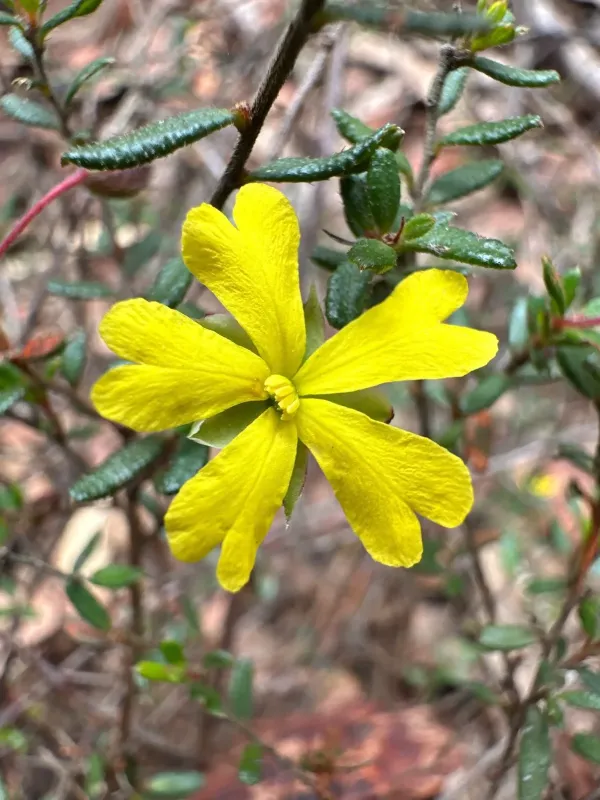
Hibbertia empetrifolia is a resilient evergreen shrub belonging to the Dilleniaceae family. Native to Australia, it is widely recognized for its trailing growth habit and yellow, buttercup-like flowers that bloom throughout the growing season.
Botanically, this species is characterized by small, ericoid leaves that provide a dense texture to the stems. The plant is versatile, capable of spreading horizontally across the ground or climbing if provided with adequate support.
This crop requires well-drained soil to thrive, preferring sandy or loamy textures. It is relatively drought-tolerant once established, but it performs best when supplied with consistent, moderate watering during the heat of the summer.
Climate-wise, it favors mild, temperate to subtropical conditions. While it can handle light frost, it is not suited for areas with prolonged, harsh winters unless protected or maintained in pots that can be moved indoors.
In agricultural and landscape applications, it is prized as a ground cover for erosion control on slopes and as an ornamental addition to rock gardens. Its ability to create a thick green carpet makes it a functional choice for low-maintenance areas.
Main diseases and pests
Root rot is the most significant threat to Hibbertia empetrifolia, primarily caused by waterlogged soil conditions. Proper drainage is essential to preventing this disease and ensuring the plant maintains its vigor.
Pests such as mealybugs and spider mites can occasionally affect the foliage, particularly in greenhouse settings or during periods of low humidity. Vigilant inspection of the undersides of leaves is recommended for early detection.
Fungal diseases, including leaf spots, may occur if air circulation around the plant is restricted. Improving spacing between plants can help reduce the prevalence of these issues in a garden setting.
Applying appropriate systemic insecticides or horticultural oils can effectively manage mite infestations if manual removal or natural predators are insufficient for control.
General maintenance practices, including thinning out old branches and maintaining optimal pH levels in the soil, help build the plant's natural resistance to pests and diseases, ensuring a healthy growth cycle.