
Hibbertia dilatata
Hibbertia dilatata
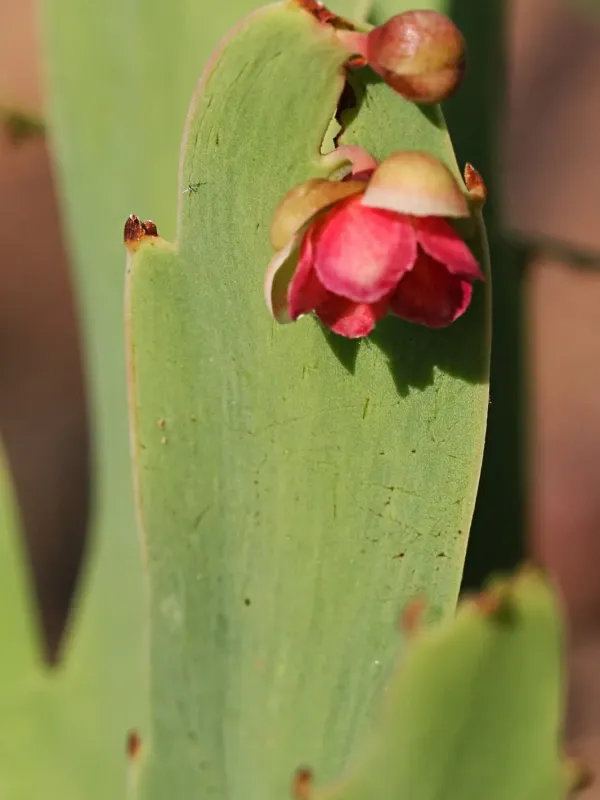
Description
Growing requirements
Hibbertia dilatata is a perennial shrub belonging to the Dilleniaceae family. Originating from Australia, this species is noted for its distinct floral morphology and adaptability to the unique soil conditions of its native habitats.
The plant thrives in well-drained, sandy soils that are relatively low in organic fertility. In cultivation, it is essential to replicate these conditions by using specific potting mixes that allow for rapid drainage and prevent water accumulation.
Optimal growth occurs under bright, direct light conditions. While the plant can tolerate partial shade, insufficient light intensity often results in leggy stems and reduced flowering potential throughout the growing season.
Temperature management is critical for this species. It is sensitive to frost and extreme cold, requiring a temperate environment to thrive. It is frequently grown as an ornamental container plant in regions outside its native range.
Watering practices must prioritize consistency without saturation. The plant should be allowed to dry out slightly between waterings, as the root system is highly susceptible to hypoxia and fungal decay when kept in soggy soil.
Main diseases and pests
Fungal pathogens, particularly those causing root rot, are the primary threat to the health of Hibbertia dilatata. These organisms thrive in environments with poor drainage and high humidity, leading to rapid plant decline.
Pests such as mealybugs and spider mites are common in indoor or greenhouse settings. They frequently colonize the foliage and stems, causing yellowing and stunted development of the plant tissue.
Aphid infestations can occur during the spring growth flush. These insects feed on succulent tips, which may lead to the distortion of young leaves and the transmission of viral diseases if left untreated.
Nutrient toxicity, often resulting from excessive fertilizer application, can manifest as leaf tip burn. The species prefers low-phosphorus feeds, which are standard for many native Australian plant varieties.
To maintain plant vitality, it is recommended to conduct routine monitoring for pests and ensure adequate spacing between plants to improve airflow. Immediate removal of any necrotic or diseased plant tissue is essential for disease management.