
Hibbertia dentata
Hibbertia dentata
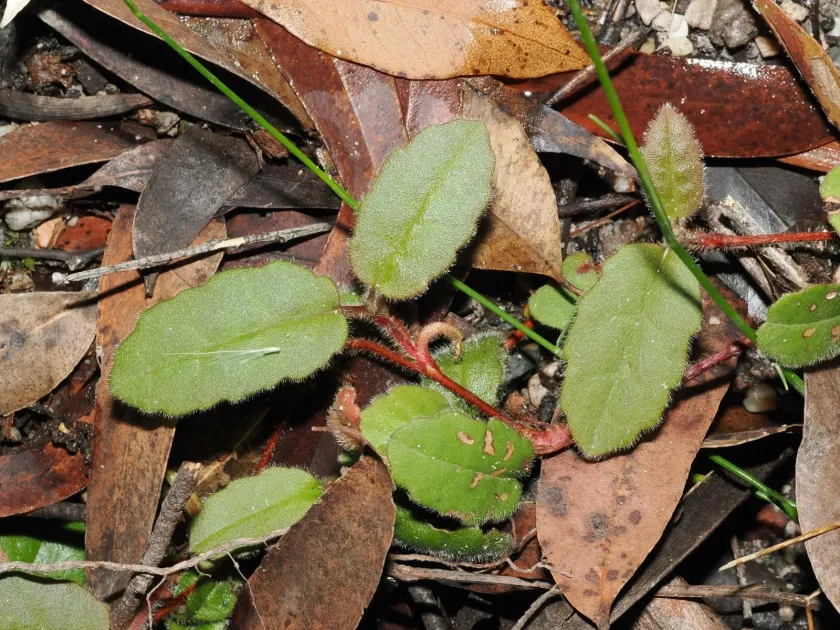
Description
Growing requirements
Hibbertia dentata, commonly known as the toothed guinea flower, is a vigorous evergreen climbing vine belonging to the Dilleniaceae family. This species originates from the forest regions of eastern Australia, where it thrives in shaded, temperate environments.
The plant is botanically distinguished by its unique serrated leaves and vibrant, cup-shaped yellow flowers. It is widely used in ornamental horticulture as a ground cover or a climbing plant on trellises, fences, and walls, providing a lush aesthetic due to its rapid growth rate.
Successful cultivation requires soil that is rich in organic matter and maintains excellent drainage. It prefers light, semi-shaded locations where it is protected from the scorching afternoon sun, which can cause leaf burn and dehydration in sensitive cultivars.
Climate requirements for this plant are relatively specific, as it is not frost-tolerant. In regions with freezing temperatures, it must be grown in pots and moved indoors to a greenhouse or a climate-controlled conservatory during the winter months to avoid tissue damage.
Agronomic management involves maintaining consistent soil moisture, which should be neither waterlogged nor completely dried out. Regular pruning is also necessary to maintain the desired shape and to encourage denser foliage growth throughout the season.
Main diseases and pests
In indoor or greenhouse conditions, Hibbertia dentata is occasionally susceptible to common pests such as spider mites and mealybugs. Proactive monitoring and the application of horticultural oils or soaps are typically sufficient to control infestations before they cause significant stress to the plant.
Root rot remains the most significant threat to the health of this culture, typically resulting from over-irrigation or poor container drainage. Symptoms include leaf chlorosis and stem softening, which necessitate immediate repotting into fresh, well-draining media and a reduction in irrigation frequency.