
Hibbertia bracteata
Hibbertia bracteata
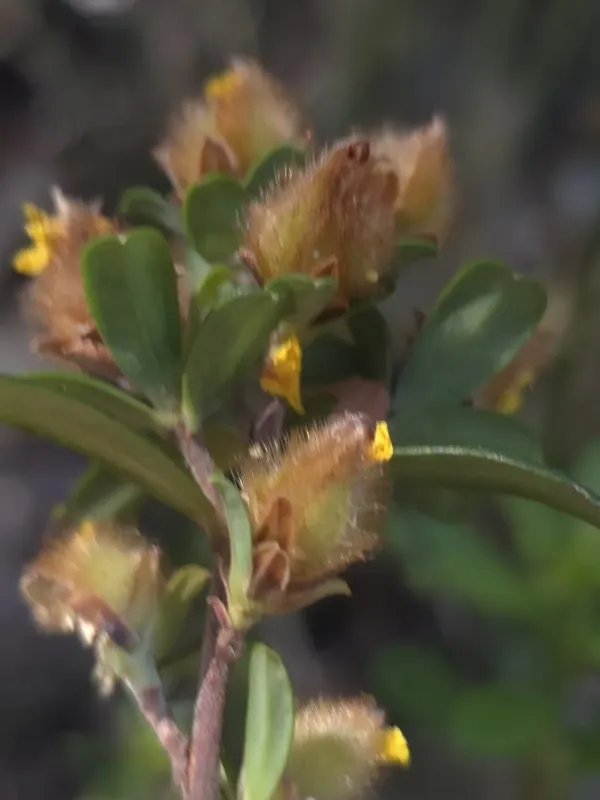
Description
Growing requirements
Hibbertia bracteata is a perennial shrub species belonging to the Dilleniaceae family. Native to Australia, this plant has evolved to thrive in temperate woodland environments, demonstrating specific adaptations to local moisture and soil conditions.
The successful cultivation of this species requires well-draining soil with a slightly acidic or neutral pH. It is crucial to prevent waterlogging, as the root system of this plant is highly sensitive to hypoxia and fungal decay when exposed to saturated media.
This crop prefers sunny locations with partial shade during the hottest parts of the day. As it is not frost-tolerant, it requires controlled conditions in regions where winter temperatures drop below safe levels, making it ideal for greenhouse or container gardening.
Agricultural management involves regular, moderate irrigation. The soil moisture should be carefully monitored; drying out between waterings is essential to maintain root health and encourage vigorous growth of the foliage and flowers.
In terms of economic and practical use, Hibbertia bracteata is primarily cultivated for its ornamental value. It serves as a beautiful addition to garden borders, rockeries, and pots, valued for its striking yellow blooms and foliage texture.
Main diseases and pests
The primary threats to the plant include various root rot pathogens. Over-irrigation creates an environment conducive to these diseases, which can cause sudden collapse of the plant if not addressed through better drainage and fungicide treatment.
Spider mites are common pests that thrive in dry indoor or sheltered environments. These pests feed on the cell sap of the leaves, causing discoloration and eventual drop, which significantly reduces the plant's ornamental appeal and overall vitality.
Mealybugs are another recurring issue, especially on young shoots and buds. Their presence requires manual removal or the application of horticultural soaps and systemic insecticides to prevent damage to the developing floral structures.
Maintaining good airflow is a vital management strategy to prevent fungal infections and pest outbreaks. Crowded foliage or lack of ventilation increases the risk of mildew, making regular pruning an essential part of the care routine.
Nutritional deficiencies, specifically iron or magnesium chlorosis, can occur if the soil pH is not maintained within the optimal range. Regular testing of the growing medium and the use of balanced, micronutrient-enriched fertilizers are recommended.