
Harpullia
Harpullia
Harpullia is a genus of evergreen trees and shrubs belonging to the Sapindaceae family. These plants are native to tropical and subtropical regions across Australia, Southeast Asia, Madagascar, and various Pacific islands, thriving in diverse forest ecosystems.
What the section contains


Harpullia
The cultivation of Harpullia requires a warm and humid climate. It is sensitive to frost, which limits its outdoor growth to tropical or subtropical zones. A consistent temperature range is vital for its continuous development and successful flowering cycle.
Soil requirements for this crop involve well-draining, nutrient-rich soil. While the species is somewhat adaptable, it performs best in deep, loamy soils with a slightly acidic to neutral pH. Proper soil structure is essential to prevent waterlogging, which the plant does not tolerate.
Sunlight exposure should be managed carefully. While mature trees can handle bright, direct light, young saplings benefit significantly from partial shade to protect them from intense heat and leaf scorch during the peak hours of the day.
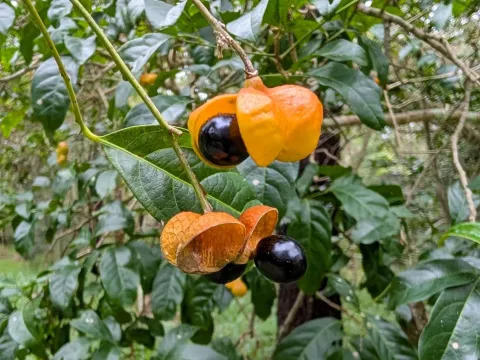
The botanical structure of Harpullia is notable for its pinnate leaves and distinctive, often colorful dehiscent capsules. These fruits split open when ripe, displaying seeds that are usually enveloped in a vibrant aril, providing excellent ornamental value.
Harpullia is primarily valued in horticulture for its aesthetic appeal in landscape design. It serves well as a shade tree in public parks and residential gardens, thanks to its dense, evergreen foliage and visually striking fruit displays.
The timber of some Harpullia species is known for its durability and fine grain. Although not a primary commercial timber crop, it has been used traditionally for small-scale woodworking and the manufacturing of various artisanal tools in its native habitats.
Harvesting for propagation purposes involves collecting the seed-bearing capsules as they begin to open naturally. Because the seeds are recalcitrant and lose viability quickly, they should be sown as soon as possible after cleaning and drying.
- Maintain optimal humidity during germination.
- Ensure well-drained potting mix for young seedlings.
- Provide regular, balanced liquid fertilizers during the growth season.
Maintenance of the species is relatively low, requiring periodic pruning to maintain a balanced canopy shape. Proper pruning also improves air circulation through the branches, which is a key preventive measure against potential pest infestations or fungal issues.