
Handroanthus umbellatus
Handroanthus umbellatus
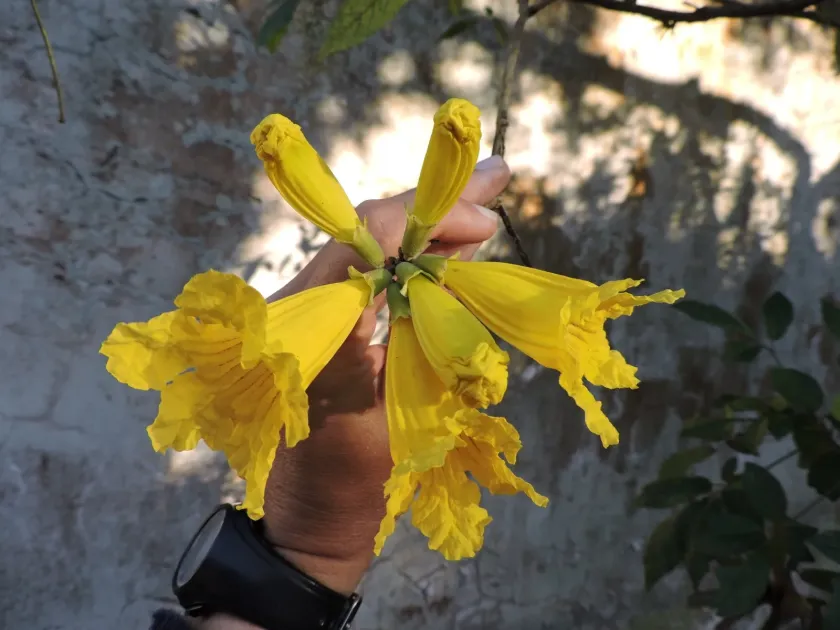
Description
Growing requirements
Handroanthus umbellatus is a significant tree species within the Bignoniaceae family. Originating from the tropical regions of South America, it is highly valued for its intense floral display during the flowering season.
The tree thrives in full sunlight and requires well-drained, nutrient-rich soils to reach its full potential. It is sensitive to frost and extreme cold, making it suitable primarily for tropical and subtropical cultivation environments.
Adequate water management is crucial during the growing season. While the tree requires consistent moisture for development, it cannot withstand waterlogged conditions, which can lead to rapid root decay.
Agricultural practices include the strategic application of fertilizers to support vigorous growth. Maintaining an optimal soil pH level, ideally slightly acidic to neutral, helps ensure efficient nutrient uptake by the tree roots.
Proper spacing is essential when planting Handroanthus umbellatus to allow for adequate air circulation. This not only supports structural development but also mitigates the risk of moisture-related diseases within the foliage.
Main diseases and pests
Common threats to this species include fungal infections that manifest as leaf spots or dieback. These issues are often triggered by prolonged periods of humidity and poor air movement within the tree canopy.
Various insect pests, such as aphids and scale insects, are known to feed on the sap of young branches. These pests can significantly weaken the plant if left unchecked and may require targeted insecticide treatments.
Root diseases are frequently linked to poor soil drainage and irrigation mismanagement. Preventing standing water around the base of the trunk is the most effective cultural method to protect the root system.
Regular monitoring of the tree is recommended to identify signs of stress or infestation early. Early detection allows for the application of localized treatments, reducing the need for broad-spectrum chemical sprays.
Routine maintenance, including the removal of dead or crossing branches, plays a key role in pest management. A clean and healthy canopy is far more resistant to environmental stressors and biological threats.