
Guayacan
Handroanthus guayacan
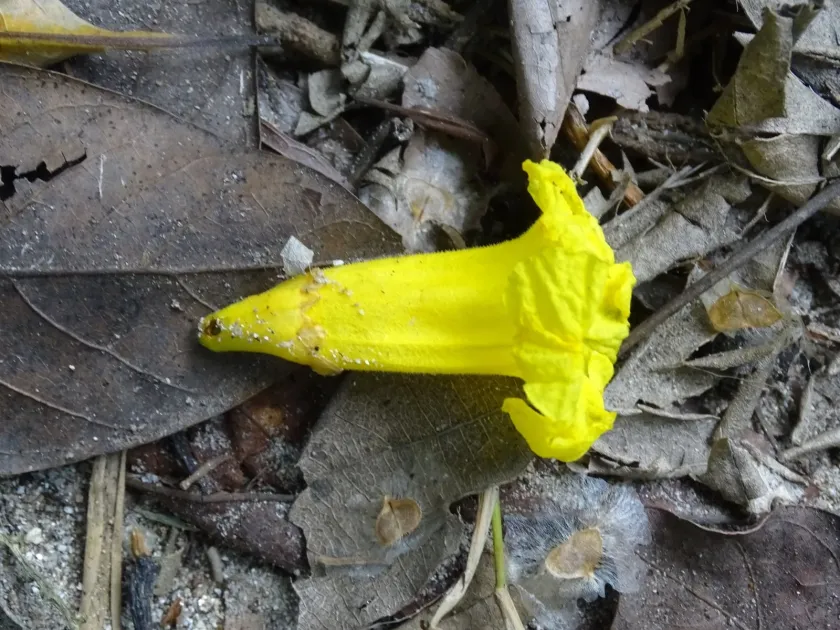
Description
Growing requirements
Guayacan is a notable hardwood tree belonging to the Bignoniaceae family, native to the tropical forests of Central and South America. It is widely recognized for its high-density timber and spectacular seasonal flowering, which makes it an ecologically significant species.
The tree thrives in tropical climates characterized by warm temperatures and distinct wet and dry seasons. It is highly sensitive to frost, requiring year-round warm conditions to ensure proper development and reach its full mature height in plantation settings.
Regarding soil requirements, Guayacan prefers deep, well-draining, and nutrient-rich soils. While it can withstand periods of drought once established, its initial growth phase is heavily dependent on soil moisture levels and the availability of essential nutrients in the topsoil layers.
Agricultural management of Guayacan involves standardized practices including seedling nursery production, controlled transplantation, and careful weed management during the first years. Ensuring proper spacing is crucial to allow adequate light penetration for all individuals within the grove.
The economic utility of Guayacan is centered on its premium-grade hardwood, which is valued for its exceptional durability, resistance to rot, and natural beauty. It is frequently employed in high-end construction, heavy-duty flooring, and specialized cabinetry.
Main diseases and pests
Guayacan can be susceptible to various pests, particularly wood-boring beetles that attack the trunks of young or stressed trees. Effective plantation management often requires integrated pest control methods to protect the integrity of the wood during its growth cycle.
Fungal pathogens represent a significant risk, especially in regions with excessive rainfall leading to root asphyxiation or decay. Implementing a strict site-selection protocol that prioritizes superior drainage and avoiding water-logged areas are essential strategies to prevent disease outbreaks.