
Handroanthus chrysotrichus
Handroanthus chrysotrichus
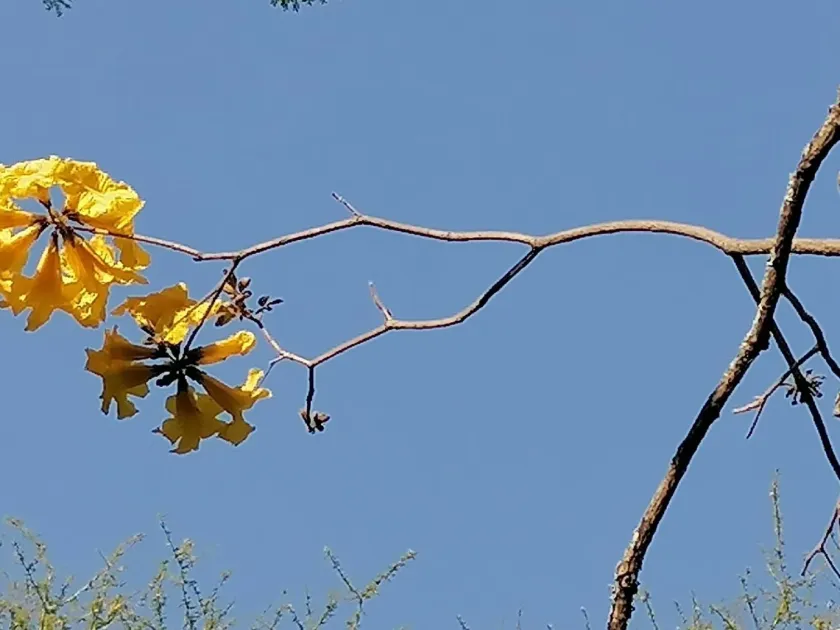
Description
Sowing dates
Propagation of Handroanthus chrysotrichus is primarily achieved through seeds, which should be sown immediately after harvesting to ensure high germination rates.
The seeds are placed in a porous, well-draining substrate, ensuring they are only lightly covered with soil to allow sufficient light access for initial development.
Controlled temperatures between +22°C and +26°C are essential for uniform germination, and a greenhouse environment is highly recommended during the first months of growth.
Seedlings should be transplanted into individual containers once they develop their first set of true leaves, allowing enough room for the taproot to mature properly.
Hardening off the plants is a critical phase; gradually increasing their exposure to natural light and outdoor conditions ensures they are robust enough for permanent planting.
Growing requirements
Belonging to the Bignoniaceae family, this species is native to Brazil and thrives in regions with distinct wet and dry seasons, characterizing its evolutionary adaptations.
The tree requires full sun exposure to reach its physiological potential. Inadequate sunlight results in sparse foliage and significantly reduced floral displays.
Well-drained soil is non-negotiable for this species; it prefers sandy or loamy textures that prevent any accumulation of standing water around the root system.
While the tree is remarkably drought-tolerant once established, young saplings require consistent moisture to facilitate root establishment and structural development.
Protection from severe frost is necessary, as Handroanthus chrysotrichus is sensitive to cold temperatures, which can cause severe damage to the branches and crown.
Main diseases and pests
Root rot is the most significant threat to this culture, usually caused by improper irrigation practices or poor soil drainage in the planting site.
Pests such as scale insects and aphids can occasionally infest the branches, necessitating regular checks and the use of horticultural oils for control.
Fungal infections, particularly powdery mildew, may occur during seasons with high humidity if the air circulation within the tree canopy is restricted.
Leaf spot diseases can also emerge in poorly ventilated areas, requiring the removal of infected foliage and appropriate systemic fungicide applications.
Maintaining a clean cultivation area and pruning dead or diseased wood regularly significantly lowers the risk of pest and pathogen outbreaks.
Harvesting
Although the tree is primarily ornamental, in sustainable forestry or controlled agro-forestry, harvesting of seeds for commercial nursery supply is conducted once pods turn brown.
Seed extraction requires careful handling of the pods, which should be harvested before they naturally split and release their winged seeds into the wind.
In certain contexts, the high-quality, dense timber of the Handroanthus species is selectively harvested, though this is restricted by environmental regulations.
The harvesting of timber involves specialized equipment due to the extreme hardness of the wood, known locally as one of the most durable natural materials.
Practicing sustainable harvest methods ensures that the population of Handroanthus chrysotrichus remains stable and continues to provide ecosystem services in its native range.