
Handroanthus capitatus
Handroanthus capitatus
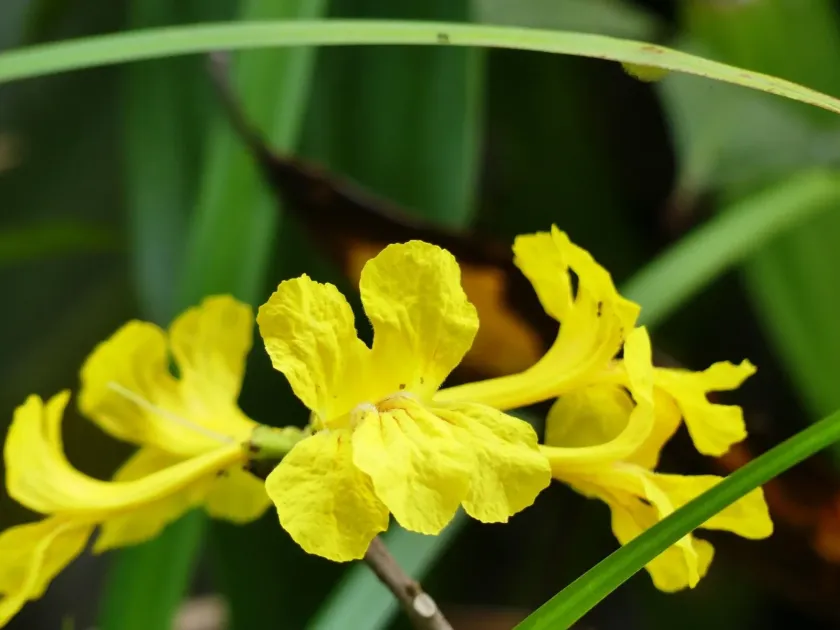
Description
Sowing dates
Handroanthus capitatus is typically propagated from seeds. The seeds are characterized by a short viability period, making it essential to sow them immediately after harvesting to ensure high germination rates within a nursery environment.
The optimal germination temperature ranges between 25°C and 30°C. Sowing should be done in a well-draining, nutrient-rich substrate, keeping the soil consistently moist but never waterlogged to prevent the development of damping-off pathogens.
Seedlings should be pricked out into individual containers once they reach the two-leaf stage. This stage is critical for root development and allows the young plants to establish a strong taproot, which is essential for their future survival in the field.
During the nursery stage, shading is required to protect the tender leaves from intense tropical sun, which can cause severe scorching. As the seedlings grow, shading can be gradually reduced to harden them off before transplantation.
Proper sanitation in the nursery is vital for the health of the young trees. Regular checks for fungal growth and the use of sterile tools during transplanting minimize the risk of spreading soil-borne diseases among the young saplings.
Growing requirements
Handroanthus capitatus belongs to the Bignoniaceae family and is native to tropical ecosystems. It thrives in regions characterized by high temperatures and distinct wet and dry seasons, adapting well to the local climatic rhythms.
This species requires full sun exposure for healthy growth and maximum flowering. Planted in shaded areas, the tree tends to develop a sparse, elongated canopy and produces significantly fewer flowers, losing its primary ornamental value.
The tree prefers deep, well-drained soils ranging from sandy loams to clayey textures. It is sensitive to waterlogged conditions, which can lead to root asphyxiation, so choosing a site with a slight slope or good natural drainage is recommended.
Though drought-tolerant once established, young trees require supplemental irrigation during the dry season to maintain growth vigor. Once the root system is deep and well-developed, the tree can withstand prolonged periods of limited rainfall.
Regular maintenance, including periodic pruning, helps in shaping the tree and maintaining its structural integrity. It is important to avoid heavy pruning during the flowering season to ensure the aesthetic appeal is preserved.
Main diseases and pests
Root rot caused by Oomycetes and various soil fungi represents a major threat, particularly in poorly drained or frequently overwatered soils. Symptoms include yellowing leaves, dieback, and eventually the death of the tree if the infection reaches the crown.
Pests such as scale insects and aphids often congregate on new succulent growth. They extract phloem sap, weakening the tree and providing a substrate for sooty mold, which impairs the plant's ability to perform photosynthesis effectively.
Leaf-eating caterpillars can cause significant defoliation during the active growing season. While mature trees can often withstand these attacks, young trees may require manual removal or targeted biological control to prevent severe growth retardation.
Mechanical damage to the trunk often serves as an entry point for wood-decay fungi. Maintaining the integrity of the bark is essential, as the entry of these pathogens can lead to internal structural weakness over the long term.
Integrated pest management strategies, such as promoting beneficial insect populations and ensuring good air circulation within the canopy, are recommended for maintaining the long-term health of Handroanthus capitatus plantations.