
Handroanthus ochraceus
Handroanthus ochraceus
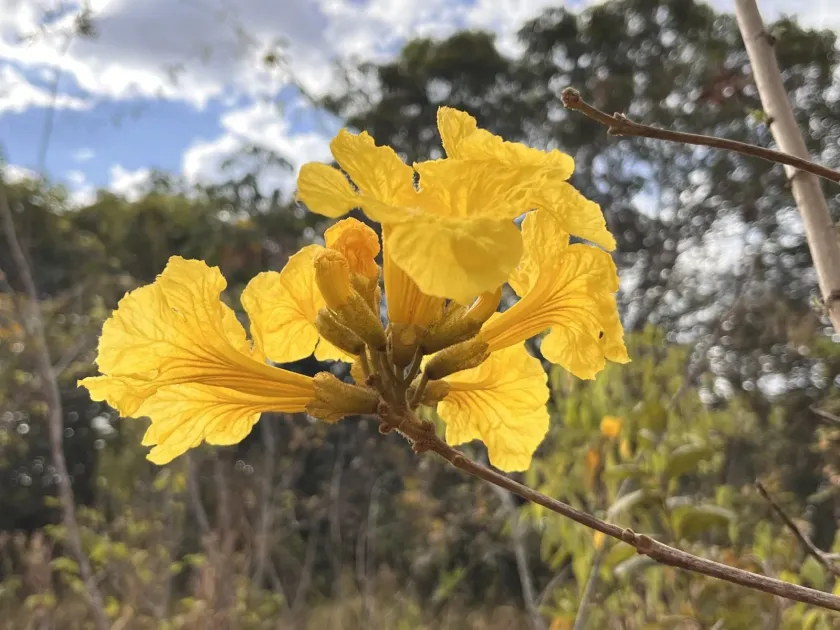
Description
Sowing dates
The seeds of Handroanthus ochraceus are typically sown in spring when soil temperatures remain stable and warm. Being a tropical species, it is essential to wait until all risks of frost have passed before beginning nursery cultivation.
Successful germination requires a substrate that offers excellent drainage and high aeration. The seeds should be spread thinly across the surface of moist soil and covered with a light layer of vermiculite to maintain humidity.
Pre-sowing treatment, including a brief period of soaking, can significantly improve germination rates. The ideal temperature range for starting these seeds is between 25 and 28 degrees Celsius.
Once the seedlings develop their first true leaves, they should be transplanted into individual containers. It is crucial to handle the taproot with care, as any damage during early development can stunt the tree's future growth.
Outplanting into permanent locations should occur once the saplings reach a height of 40 to 60 centimeters. Acclimatization is necessary, gradually exposing the young trees to full outdoor conditions over two weeks.
Growing requirements
Handroanthus ochraceus, a member of the Bignoniaceae family, is a native of tropical South American forests. The species is highly photophilous and requires full sun exposure for healthy development and vibrant flowering.
This crop thrives in fertile, deep, and well-drained soils with a neutral to slightly acidic pH. Waterlogging is extremely detrimental to the root system, as the tree is highly susceptible to root rot in saturated conditions.
The tree requires consistently high humidity and warm temperatures to flourish. While it exhibits moderate drought tolerance once established, consistent irrigation is beneficial during the blooming season.
The plant is not cold-hardy and will not survive temperatures near freezing. Therefore, it is strictly limited to tropical and subtropical climates where the ambient temperature remains between 20 and 30 degrees Celsius.
Maintenance involves regular applications of balanced NPK fertilizers, with a specific focus on phosphorus to enhance wood density and promote the spectacular annual flowering display.
Harvesting
The primary commercial use of Handroanthus ochraceus is for its premium, incredibly dense timber, commonly marketed as "ipê." Harvesting is conducted only after trees have reached maturity, often spanning several decades.
Ipê wood is highly prized for its extreme hardness, longevity, and natural resistance to decay, termites, and fungal attacks. It is a preferred material for high-end decking, marine constructions, and heavy-duty outdoor flooring.
Beyond its timber utility, the bark of this tree contains compounds used in traditional medicine and pharmaceutical research. Harvesting bark must be done with precision to ensure the continued health and survival of the tree.
In ornamental landscaping, the tree’s value is centered on its dramatic yellow blossoms. As it is a deciduous-flowering species, maintenance is minimal as the tree sheds its flowers, creating a natural carpet on the ground.
Seed collection is performed manually as the fruit capsules mature and begin to split. Collectors must act quickly to gather the seeds before wind dispersal distributes them widely across the forest floor.