
Joe Pye weed
Eupatorium purpureum L.
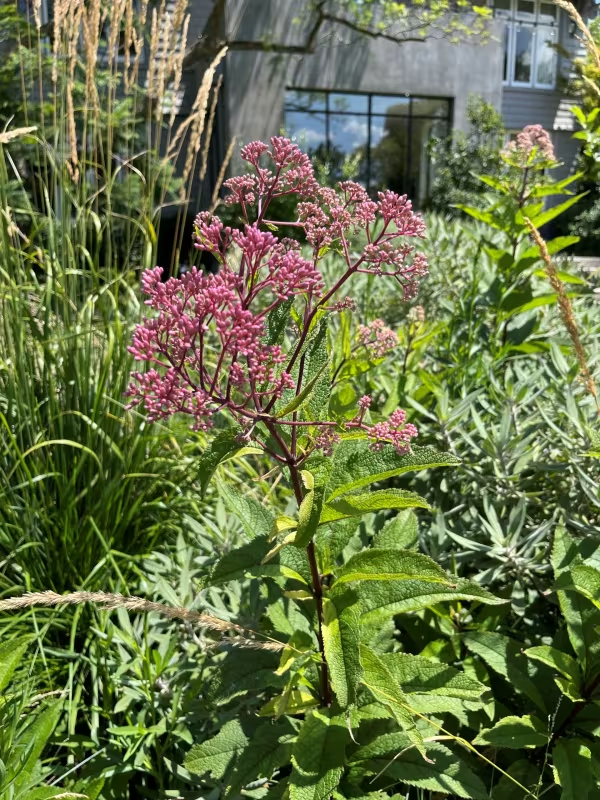
Description
Sowing dates
Sowing Eupatorium purpureum L., which belongs to the Asteraceae family, is typically performed in the spring. April is considered the ideal time, as the soil warms up sufficiently to support seed germination and root initiation.
Fall sowing is also a viable option, providing the seeds with a natural cold stratification period. This approach often results in stronger and more uniform seedlings emerging as soon as the ground thaws in early spring.
For higher success rates, many growers prefer a greenhouse starting method in March. The seeds require a stable temperature of about 18–20 degrees Celsius to germinate properly in specialized potting substrate.
Seedlings should be pricked out into individual pots once they reach the two-leaf stage. Transplanting to the permanent outdoor location should take place in May, ensuring all risk of frost has passed.
Proper spacing is crucial to ensure the health of the plants. Growers should aim for a distance of 60–80 centimeters between individual specimens to facilitate air circulation and minimize resource competition.
Growing requirements
Joe Pye weed is known for its high water requirements. The plant performs best in low-lying areas or near water features, where it can access consistent soil moisture throughout the peak summer months.
The preferred soil type is rich, fertile loam with a neutral to slightly acidic pH. Incorporating significant amounts of organic matter like compost will significantly enhance the plant's growth vigor.
While the species is hardy and well-adapted to temperate climates, it thrives in full sun. However, it can tolerate partial shade, particularly in regions with extreme summer heat, which helps prevent leaf scorch.
Agronomic management requires regular irrigation during drought spells. As a wetland-native plant, it lacks tolerance for dry soil conditions, which can lead to stunted growth and reduced floral displays.
Fertilization with organic compost or a balanced mineral fertilizer at the beginning of the growing season will stimulate massive stems production. This ensures the plant reaches its full ornamental and medicinal potential.
Yield
The commercial use of Joe Pye weed focuses on its role as a botanical source for herbal medicine. Both roots and aerial parts are harvested during the flowering stage for their diuretic and anti-inflammatory properties.
The crop serves as an excellent nectar source for pollinators, significantly boosting the biodiversity of an agricultural site. This ecological benefit is a key reason for its inclusion in conservation-friendly farming.
In landscaping and ornamental horticulture, the plant's productivity is measured by its massive vertical height and profuse blooms. It remains a staple in naturalistic garden design and meadow restoration projects.
Commercial harvesting of raw materials requires sustainable practices. A well-maintained stand of Joe Pye weed can remain highly productive for a decade or longer, providing a consistent supply without frequent replanting.
Management practices such as deadheading spent flowers help to redirect plant energy toward root development. This simple technique significantly improves the overall lifespan and vigor of the crop stand.
Main diseases and pests
Joe Pye weed is naturally resilient to many common plant diseases, making it a great candidate for low-input agricultural systems. Most health issues arise from improper water management or site selection.
Root rot can occur if the soil remains waterlogged without proper drainage. While the plant loves moisture, it needs the soil to be sufficiently aerated to prevent the development of pathogenic fungi.
Powdery mildew is occasionally observed, especially in conditions where air circulation is restricted by overcrowding. Thinning the plantation is the most effective cultural method to prevent this disease.
Pests like aphids and certain leaf beetles may occasionally feed on foliage. Monitoring the fields regularly allows for early detection, enabling the use of integrated pest management strategies if necessary.
Slugs and snails can present a challenge for young plants during the spring growth flush. Using physical barriers or environmentally safe baits is recommended to protect young stands until they are well-established.