
Eupatorium buniifolium
Eupatorium buniifolium Hook. & Arn.
Description
Growing requirements
Eupatorium buniifolium is a perennial herb or subshrub belonging to the Asteraceae family. It is native to the South American continent, primarily found in regions like Argentina and Uruguay, where it thrives in natural grassland and forest edge ecosystems.
The crop requires full sun exposure to maintain its structural integrity and reach maximum biomass. It is adaptable to various soil types but performs best in well-drained, sandy loam soils that prevent root saturation.
Climate requirements include temperate to subtropical conditions. While the plant can tolerate light frost, it prefers consistent warmth during the growing season to ensure vigorous development of its foliage.
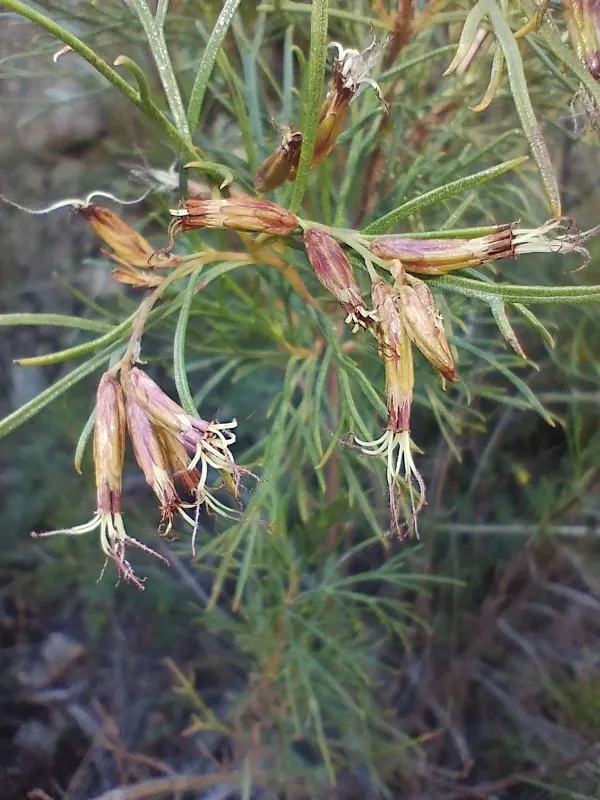
Botanical characteristics include deeply dissected leaves that give the plant a delicate, fern-like appearance. The stems are woody at the base, and the plant produces clusters of characteristic white or pale flowers during the blooming phase.
Economically, it is valued for its potential use in phytochemistry due to the presence of unique terpenes and flavonoids. It is also an important botanical component in local herbal medicine traditions.
Main diseases and pests
Pathological risks for Eupatorium buniifolium primarily include powdery mildew, which can colonize the leaves during high-humidity periods. Proper spacing between plants is essential to ensure adequate airflow and reduce fungal pressure.
Insect pests such as aphids and leaf miners can cause significant damage to young vegetative growth. Monitoring and early intervention are necessary to prevent infestations from spreading throughout the planting site.
Root rot is a major threat if the site has poor drainage or if irrigation is excessive. Agronomists emphasize that the soil must dry out slightly between watering cycles to maintain root health.
Weed management is critical in the early stages of plant growth. Young seedlings are slow to establish and can easily be outcompeted by aggressive weeds if the area is not regularly cleared.
Integrated pest management (IPM) strategies, including the use of beneficial insects and natural deterrents, are recommended to maintain plant health without relying on excessive chemical inputs.